
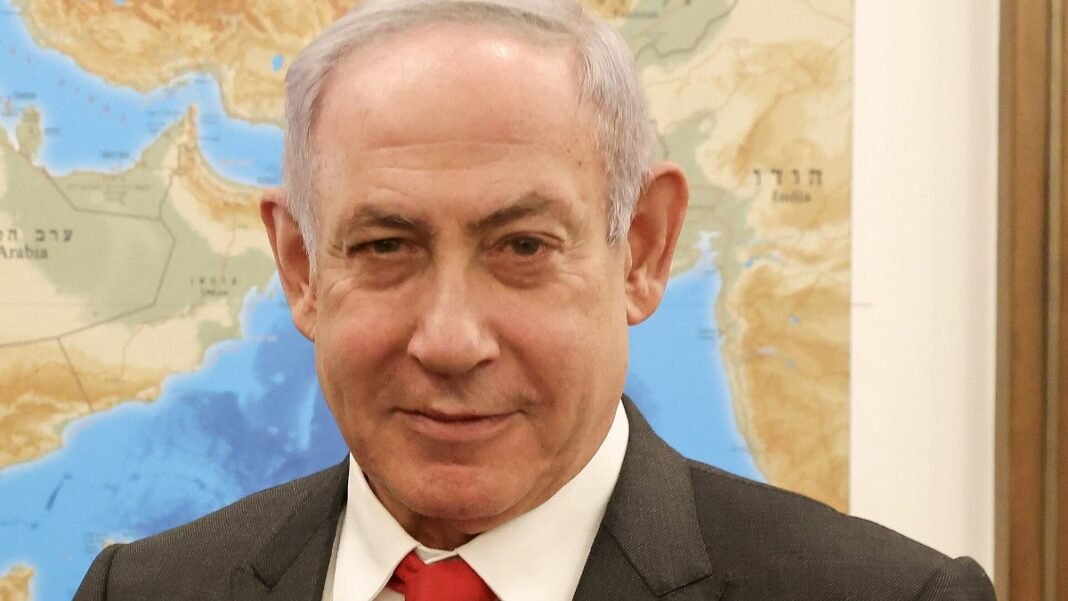
Israel voted on October 27, 2026, and early results point to a hung outcome. Exit polls and partial counts show Prime Minister Mr. Benjamin Netanyahu’s Likud as the largest party, but neither his bloc nor the opposition is near the 61 seats needed for a majority in the 120-seat Knesset.
Exit poll numbers at a glance
- Likud: 24 to 25 seats in early polls by Channels 11, 12 and 13; 30 in Channel 14’s poll; around 28 in later partial counts. It currently holds 32.
- Yashar (Gadi Eisenkot): about 21 to 23 seats, the main challenger.
- Arab parties: about 16 to 18 seats combined, up from 10.
- Blocs: Channel 12’s revised poll gave Mr. Netanyahu’s bloc 52 and the opposition 49; Kan’s poll showed a 51-51 tie. Partial counts later put his bloc at 56 to 57.
Exit polls are estimates and have been revised overnight. The final count can still move seats between parties, especially those near the vote threshold.
What happens next
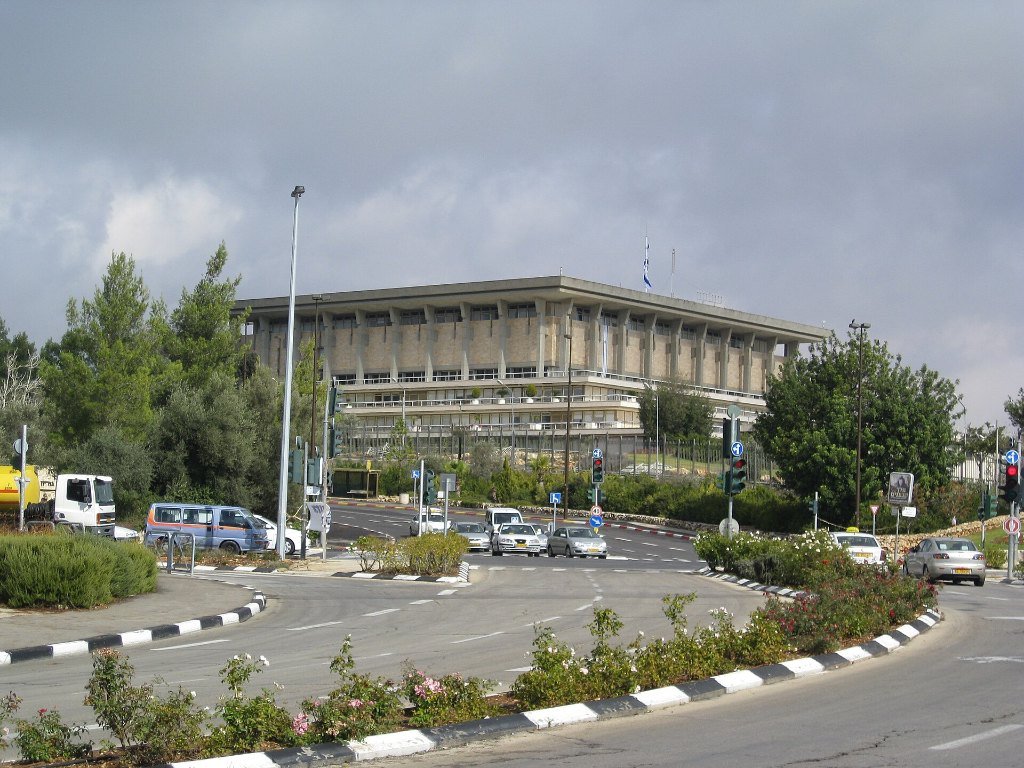
After official results, the President consults parties and asks the leader most likely to form a coalition to try. That leader has 28 days, which can be extended. If no one can form a government, Israel could head to another election.
Why it matters for India
India and Israel have close ties in defence, agriculture, water technology and trade. A long period of coalition talks is unlikely to change those ties quickly, but it can delay new agreements.
Quick answers
Who is winning the Israel election 2026? Likud is projected as the largest party, but no bloc has a majority yet.
How many seats are needed to form a government in Israel? 61 of 120 Knesset seats.
When will final results come? Official results are usually confirmed within days of the vote.
Questions to think about
- Do frequent elections make it harder for Israel to make long-term decisions?
- What does the rise in Arab parties’ seats say about voters’ priorities?
Sources: Times of Israel, Ynet, Israel Hayom and Al Jazeera, October 27–28, 2026.