
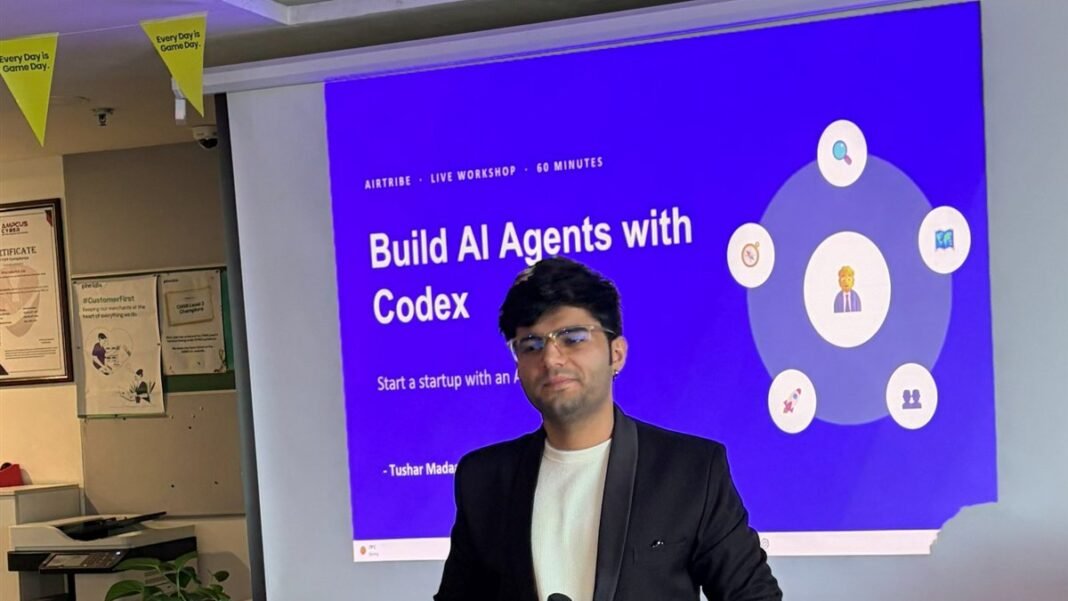
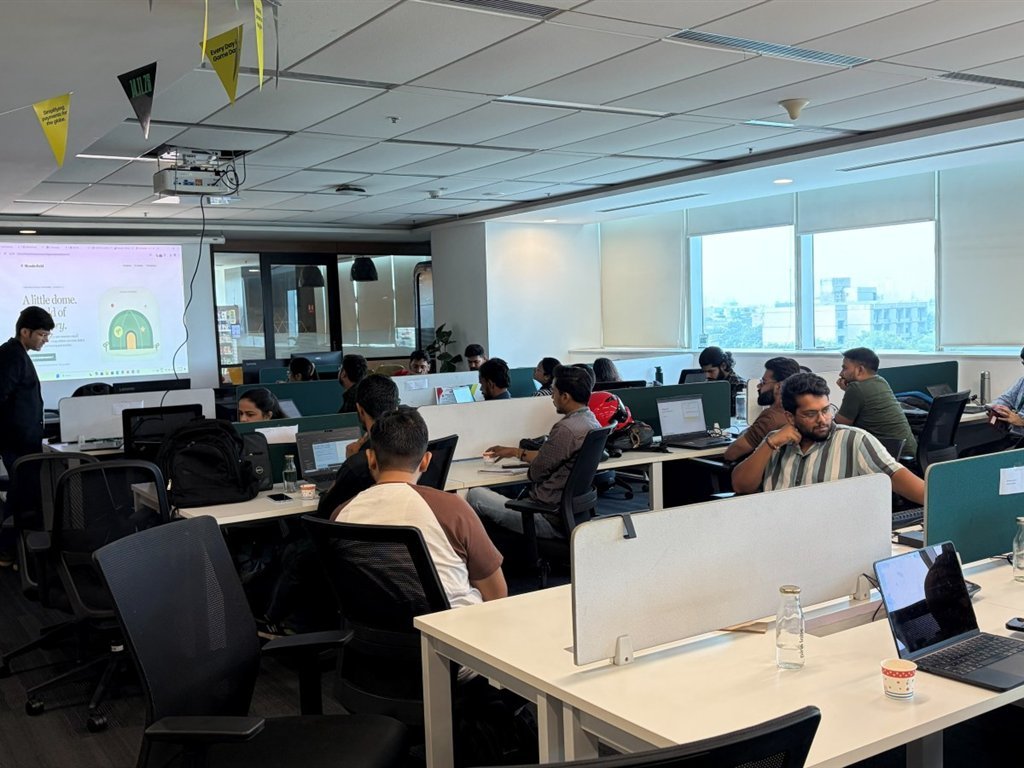
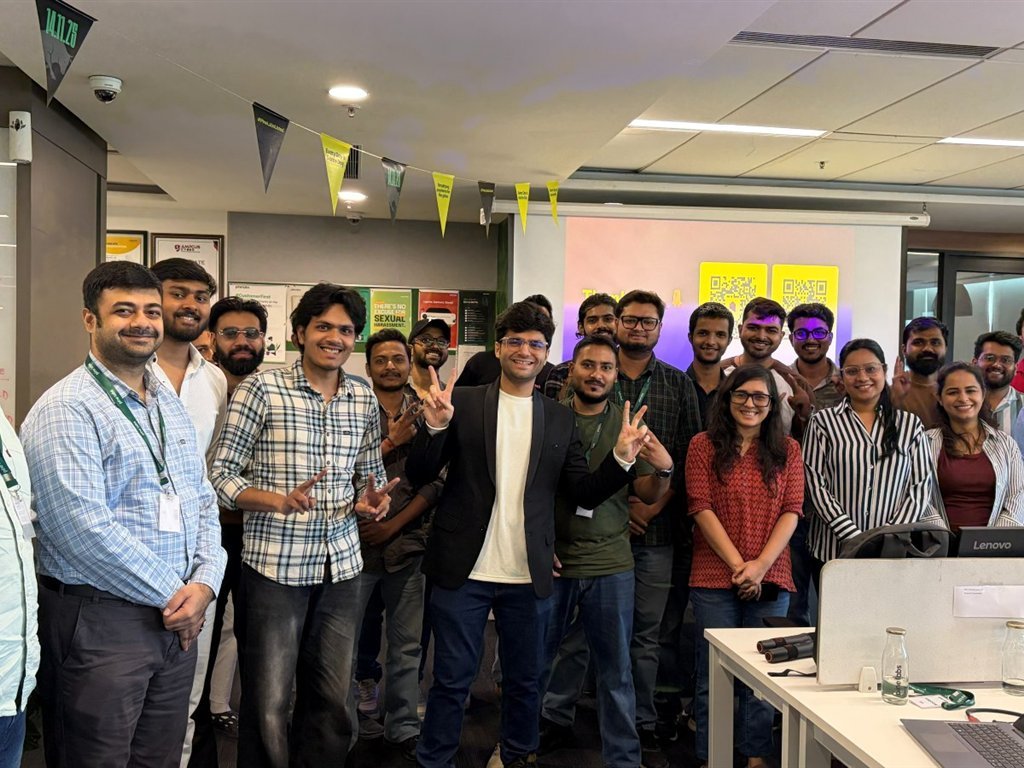
On a Saturday morning in Noida, a roomful of people gave up their weekend lie-in to sit in an office in Sector 62 and build AI agents using AI tools, with no coding experience needed. The session was open to everyone, and no coding experience was needed: product managers, founders, students and operators who had heard a lot about AI tools but had never built anything with one. By lunchtime, the room had built a working “Startup Agent” together.
The session was Build AI Agents With Codex – Noida Edition, held on October 10, 2026, at the Pine Labs office in Sector 62, Noida. It was led by Tushar Madaan, a Delhi-based technologist who started out as a developer and now builds end-to-end products and trains teams on them.
Less “how does it work”, more “let’s build”
Most AI workshops follow a familiar script: a few slides on what large language models are, a demo that works perfectly, and a Q&A. This one went a different way. According to attendees who wrote about it afterwards, Tushar kept pushing the group past the “show me how Codex works” stage and into building something real.
The exercise was simple to describe and harder to do. Participants took a B2B marketplace idea and used Codex, OpenAI’s coding agent, to turn it into a “Startup Agent”: a tool that could take a rough idea and work through it step by step. One attendee summed up the main lesson on LinkedIn: AI agents can go well beyond suggesting the next line of code. They can plan, write, test and fix, if you give them clear instructions and check their work.
Why this kind of session matters
AI coding tools have moved fast in 2026. Agents such as Codex can now read a whole project, make changes across files and run tests on their own. But for many people in India’s tech workforce, the gap between reading about these tools and using them at work is still wide. Short, hands-on sessions close that gap faster than long courses, because people leave with something they built themselves.
That is where Tushar’s background helps. He has worked across development, data and product roles in Gurugram, Delhi and Noida, and he currently works with Volkswagen in Gurugram. He holds Microsoft certifications in Power BI data analysis and Azure fundamentals, and he studied management at the Institute of Management Technology, Ghaziabad. That mix of code and business shows in how he teaches: he talks about agents in terms of problems and outcomes, not just features. Outside his day job, Tushar is a well-regarded corporate trainer. He runs training sessions for organisations on AI and technology, helping teams move from curiosity to everyday use, and the Noida workshop drew on that experience.
Inside the room
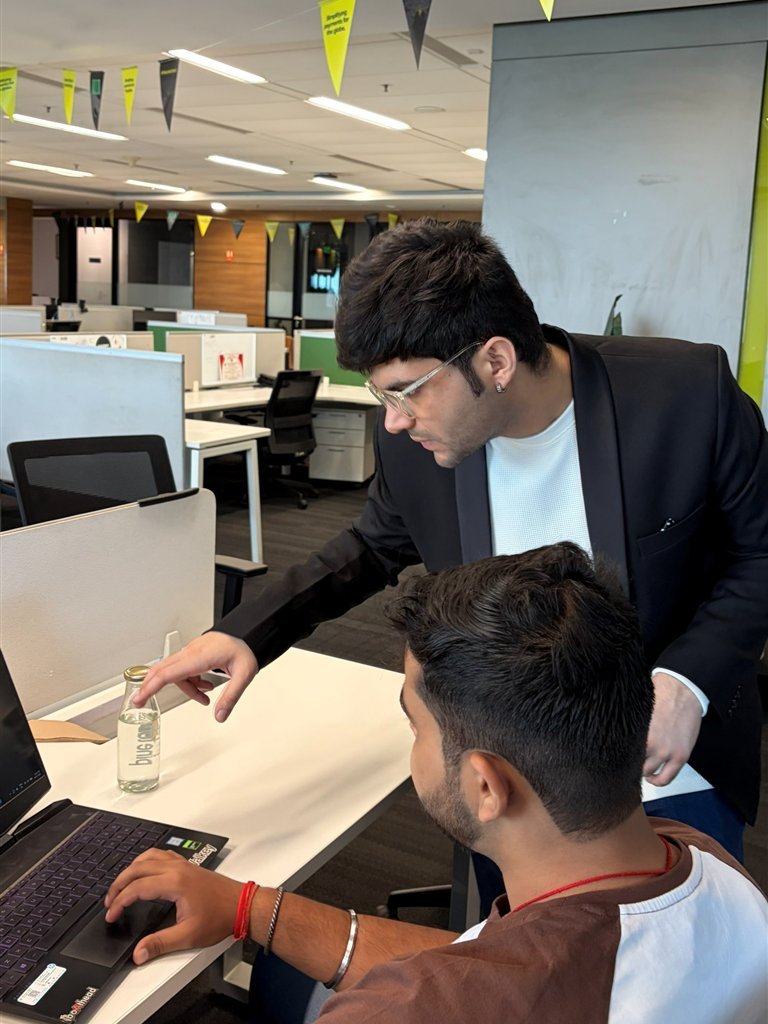
The format was informal. Tushar spent much of the session walking between desks rather than standing at the front, looking at people’s screens and helping them get unstuck. When an agent produced something wrong, which happens often with AI tools, the group treated it as part of the lesson: read what it did, tell it what to change and run it again.
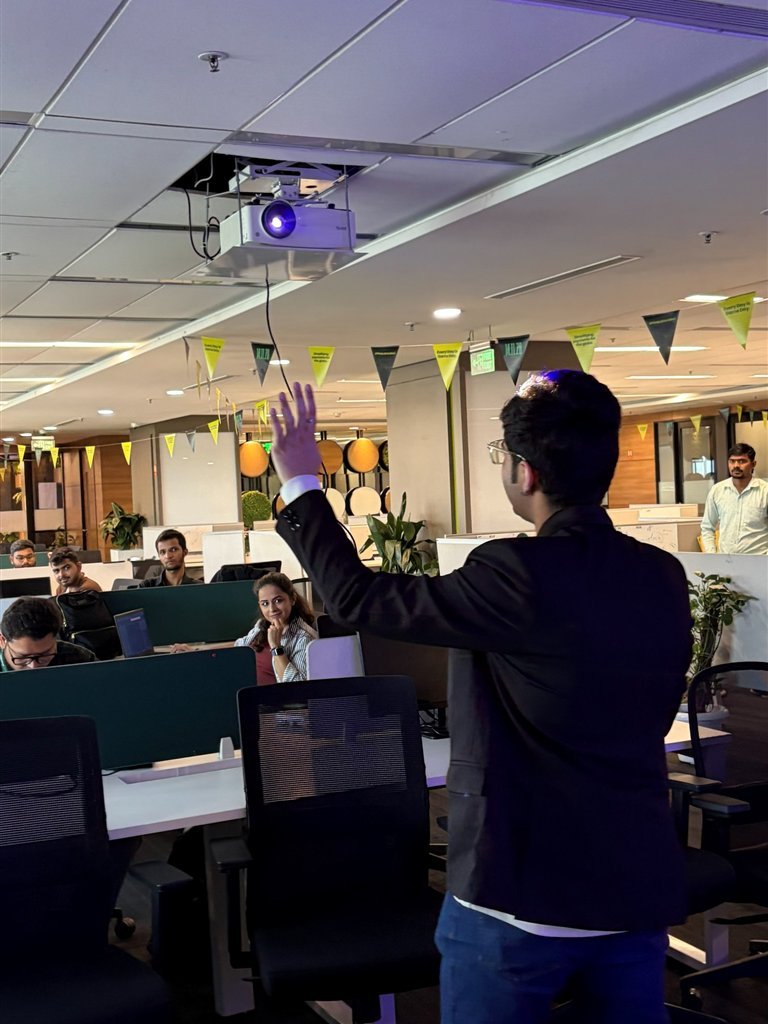
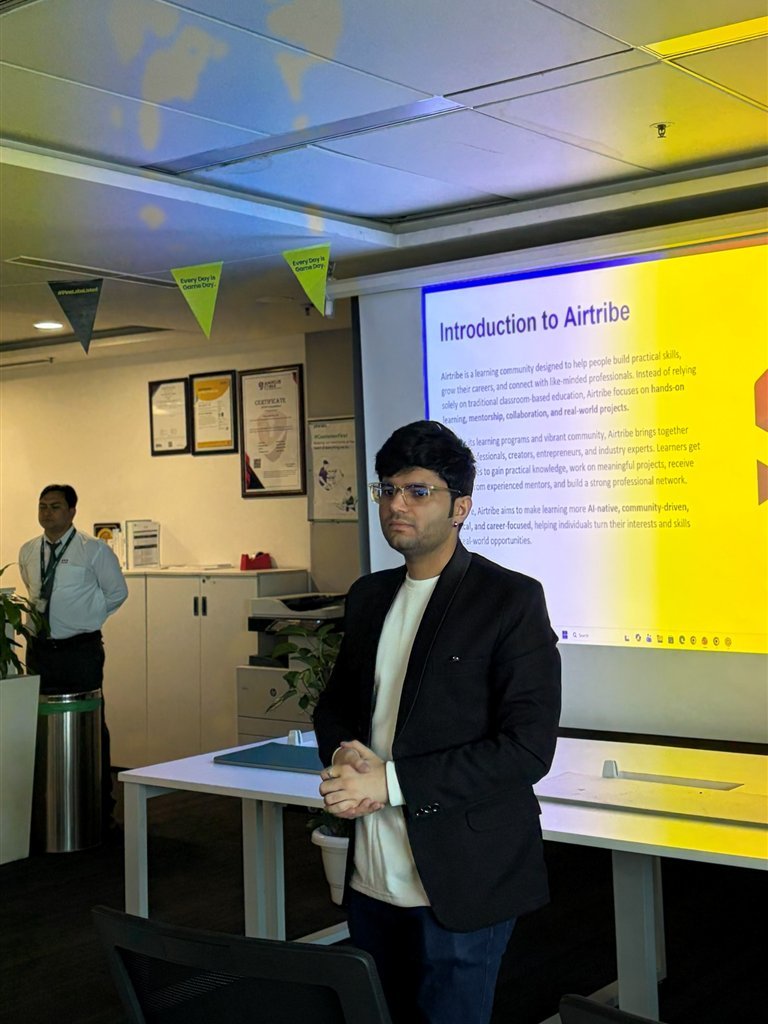
Pine Labs co-hosted the session at its Sector 62 office, and the workshop was part of a series run by the learning community Airtribe. Attendees later wrote on LinkedIn about what they built and where AI agents could fit into their own work.
What attendees took away
- Clear instructions beat clever prompts. Agents do better with a well-described goal and constraints than with tricks.
- Always review the output. An agent can write a lot of code quickly; a human still has to check that it is right.
- Start small. One working feature teaches more than a half-built big idea.
- No coding experience needed. Participants built their agents by describing what they wanted to the AI tools in plain English, so people without a coding background could build alongside developers.
A growing community in Delhi-NCR
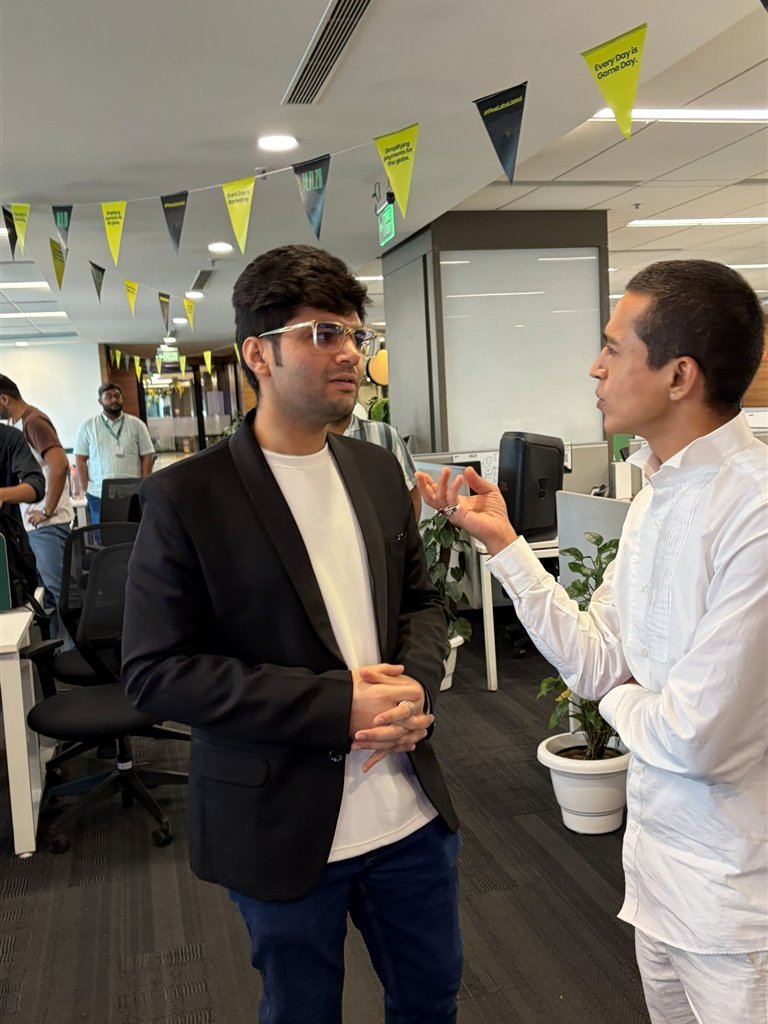
Noida and Gurugram have no shortage of tech meetups, but sessions where people actually build together are still rare. It takes effort to run one well: preparing an exercise that works for mixed skill levels, keeping a room full of laptops moving and giving each person enough attention. Tushar, who also holds a first-dan black belt in taekwondo, clearly enjoys teaching, and the photos from the day show him at people’s desks far more than at the podium.
For upcoming tech events in India, see our events page, including the Bharat RE Summit and Expo in November. For more on where AI tools are heading, read our report on what is confirmed about Claude Fable 5.5.
Questions to think about
- Should companies give employees time to learn AI coding tools hands-on, rather than only through online courses?
- Will AI agents make it easier for non-engineers to build their own products, or will they still need developers alongside them?
- How should teams check the quality of code that AI agents write?
Buzz Around Business listed this workshop on its events page. It is based on the event listing, posts by attendees and organisers on LinkedIn, and photos from the session. You can connect with Tushar Madaan on LinkedIn.