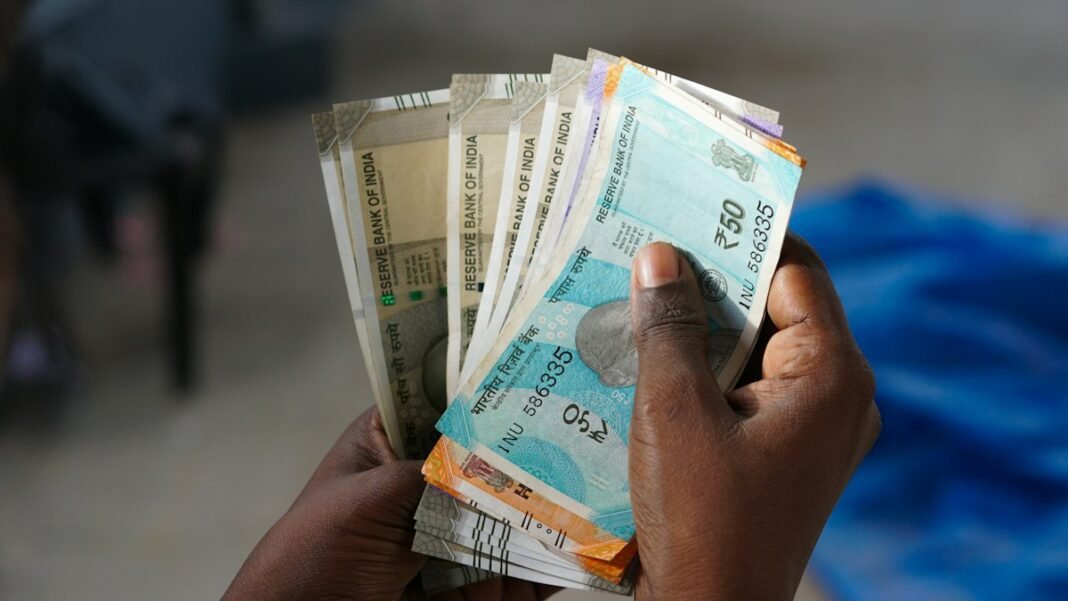
It was a quiet week for Indian startup funding. Founders raised about $123 million between October 5 and 9, nearly half of what they raised the week before, according to Inc42‘s weekly tracker.
Inc42 counted 25 startups that raised money, with the total down 47.4% from the previous week, when startups raised over $233 million. Consumer brands and gadget makers grabbed most of the attention.
The biggest rounds of the week
DailyObjects raised the largest round: a $34.3 million Series C. The lifestyle accessories brand, best known for phone cases, bags and desk gear, was backed by Xponentia Capital Partners, Anicut Capital and Axiom Asia Private Capital.
Beyond Appliances raised ₹110 crore (about $13 million) in a Series B led by Fireside Ventures. It makes energy-efficient fans, coolers and water heaters, with a sharp focus on buyers in smaller towns.
Lumio, which makes smart TVs and audio products, raised a $12 million Series A led by Blume Ventures.
StockGro, the app that lets people learn investing through virtual trading, raised a $10.4 million Series B from BITKRAFT Ventures. BITKRAFT usually backs gaming companies, which tells you how StockGro sees itself.
Why the numbers don’t match across sites
If you follow startup news, you may have seen different totals. YourStory counted about $168 million across 28 deals, while Silicon India put it at around ₹1,037 crore across 23 deals.
The gap comes down to what each tracker counts: whether it includes debt, undisclosed rounds and share sales, and which exchange rate it uses. Every tracker agrees on one thing, though. Funding fell clearly compared with the week before.
Should founders worry?
Not on the basis of one week. Weekly totals jump around a lot because two or three big cheques can double or halve the number. A strong week is often followed by a weak one. Monthly and quarterly numbers give a far better picture.
What stands out this week is the kind of companies getting money: made-in-India gadgets and appliances, and consumer brands that already sell well. Smaller businesses may also get a boost from the government’s new ₹10,000 crore SME Growth Fund, while beauty brand Sugar recently raised money at a much lower price, which you can read about in our Sugar Cosmetics funding story.
How to read startup funding news
Weekly funding numbers are useful, but a few terms help make sense of them:
- Seed, Series A, B, C: funding stages. Seed money helps build a product; later rounds fund growth, often at higher valuations.
- Equity vs debt: some “funding” is a loan (venture debt) that must be repaid, not an investment for shares.
- Disclosed vs undisclosed: many deals do not reveal the amount, so weekly totals are always an estimate.
- Lead investor: the investor who sets the terms and usually puts in the largest share of a round.
Why weekly totals jump around
One large round can make a week look strong, while a week of many small seed deals can look weak even if activity is healthy. That is why analysts often look at monthly or quarterly trends, the number of deals and the mix of stages rather than one week’s total.
What founders can take from it
Investors in 2026 have tended to favour companies that show a clear path to profit, steady revenue and sensible spending. Founders preparing to raise money usually do better with clean accounts and realistic projections. If you are new to these terms, our startup glossary explains them in plain English.
Related reading
Questions to think about
- Are investors becoming choosier about which startups they back?
- Which sectors do you think will attract the next big funding wave?
- Is this a good time for founders to raise money, or to wait?
Sources: Inc42, YourStory, Silicon India and StartupTalky.
Read next
- Sugar Cosmetics raises ₹144 crore from A91 Partners, but the brand is now valued far lower
- Jensen Huang is out: Nvidia’s founder resigns as CEO, CFO Colette Kress takes over, and Wall Street is asking what comes next
- Anthropic IPO: price band $70-78, listing date, $1 trillion-plus valuation and how Indians can invest