
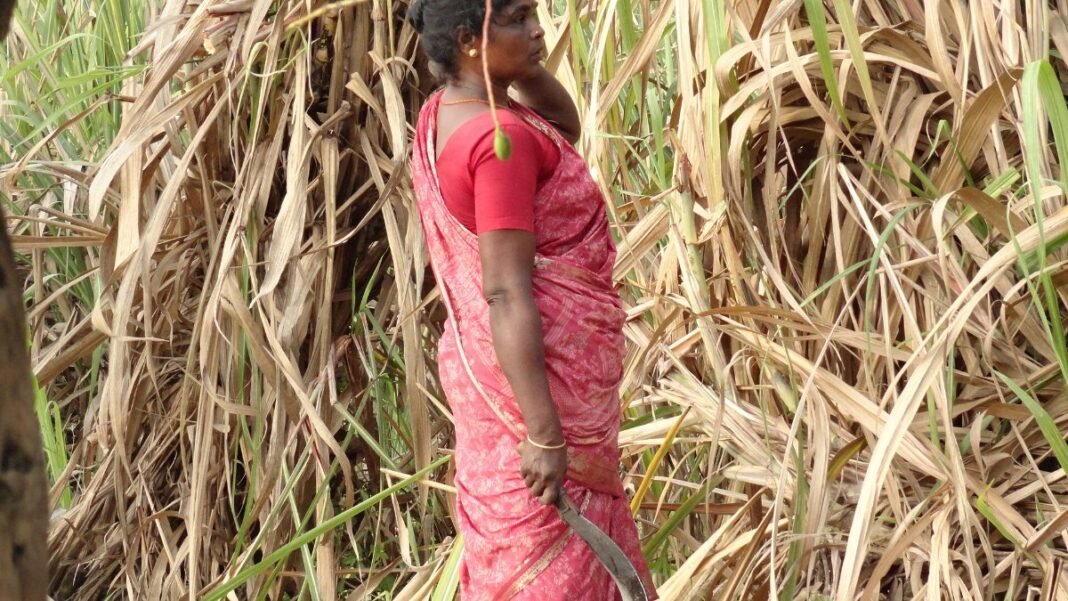
If your sweets bill feels higher this Diwali, sugar is one reason. Retail prices have gone up sharply in many parts of India, and festive demand is making it more noticeable.
How much have prices risen?
Al Jazeera reported retail prices as high as ₹75 per kg in some markets, up from about ₹40 in September 2025. Other reports say prices crossed ₹65 per kg in several states. Prices differ by city, shop and quality, and some reports show lower ex-mill prices, so please check your local market.
Why are prices up?
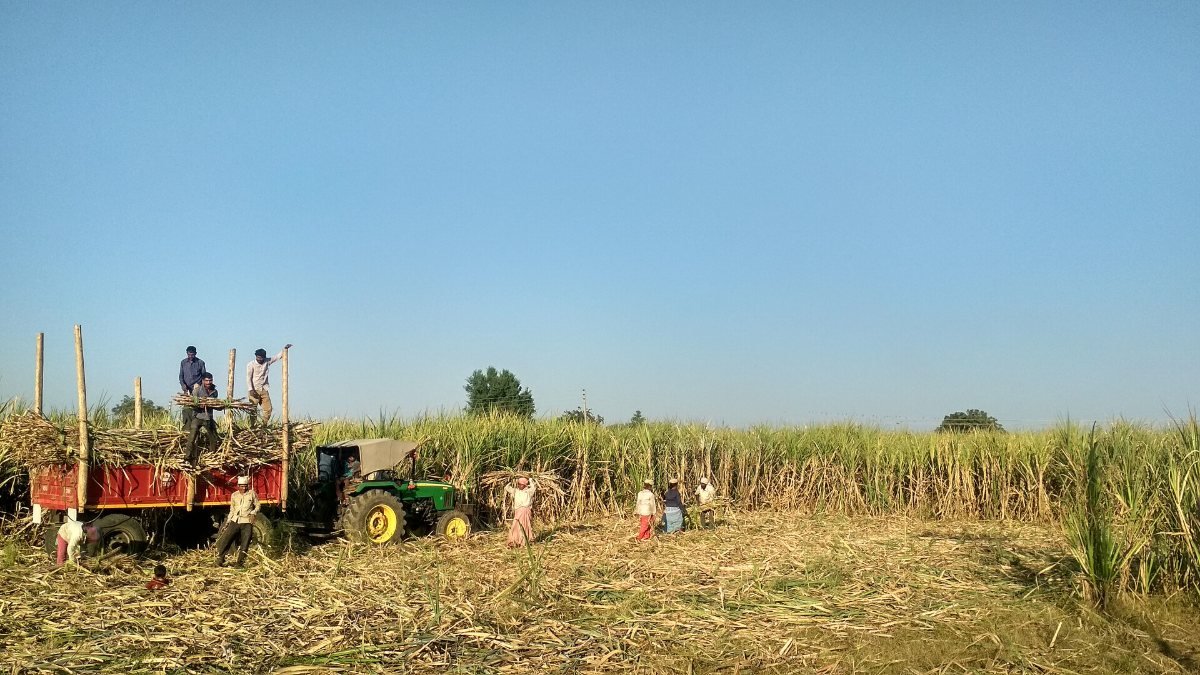
- Low stocks: Sugar stocks are estimated at around 3.5 to 3.9 million tonnes, below the government’s buffer level of 6 million tonnes.
- Lower output estimate: Government estimates for 2025-26 production were cut to about 30.6 million tonnes, around 11% lower than an earlier estimate.
- Trade behaviour: Some farmers’ groups have alleged that large traders contributed to the rise. These are claims made by those groups, and the reports we read do not show any finding on this.
What has the government done?
According to the reports, the government has banned sugar exports, opened a window to import one million tonnes of sugar without duty until October 31, 2026, and tightened stock limits for bulk buyers. States and mills have also been asked to start crushing from October 15, which is expected to raise sugar output in the coming weeks.
What can households do?
Buy only what you need for the festival, compare prices at two or three shops, and consider smaller packs. Our Diwali budget guide and tips to beat inflation have simple ways to plan your spending.
How sugar prices are set in India
Sugar prices in India depend on a chain that starts in the fields. The central government fixes a Fair and Remunerative Price (FRP), the minimum that sugar mills must pay farmers for sugarcane, and some states set a higher price of their own. The government also sets a minimum selling price for sugar at mill gate, decides how much sugar can be exported, and allows part of the cane to be used for ethanol, which is blended with petrol. Weather matters too: a weak monsoon in major sugar states like Maharashtra, Uttar Pradesh and Karnataka can cut output and push prices up.
Why prices rise before festivals
Demand for sugar goes up sharply before Diwali, Dussehra and the wedding season, as households and sweet shops buy more. Wholesalers stock up ahead of time, which can lift prices for a few weeks even when total supply is adequate. Prices often settle after the festive season if production is normal.
Simple ways to manage the cost
- Buy in moderate quantities instead of stocking up at peak prices.
- Compare prices across local shops, supermarkets and quick-commerce apps, which can differ noticeably.
- Check the weight and price per kg on packets, not just the pack price.
Planning your festive spending? Our Diwali budget guide has a sample split for a family budget.
Related reading
Questions to think about
- Should the government balance farmers’ income and consumer prices differently?
- How early should the country plan for sugar stocks before festivals?
- Will you change what you make at home for Diwali because of prices?
Sources: Al Jazeera, NewsBricks, OFB and Covai Mail, as of October 13, 2026. Prices and policy details change often.