
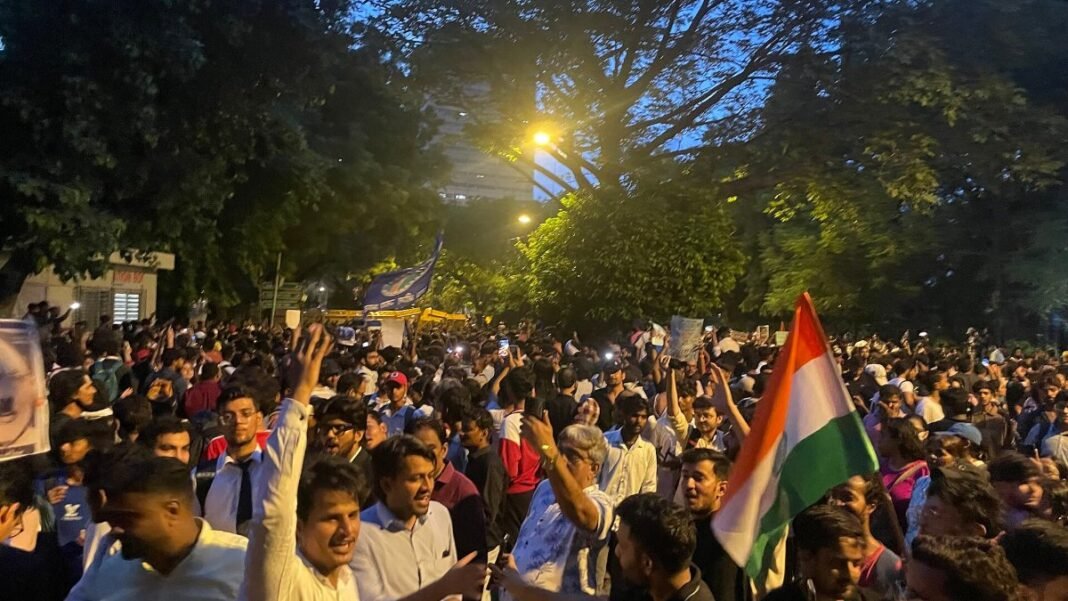
For more than a week, central Delhi has seen a running standoff between the Cockroach Janta Party (CJP), a youth movement, and the Delhi Police. There have been detentions at the airport, metro stations shut, Jantar Mantar removed from the list of protest venues, and on Friday, arrests around a “Lehra Do Tiranga” march at Connaught Place.
If you have only caught bits of it, this timeline puts the main events in order, explains what each side says, and sets out the laws being used.
Key facts
- Who: the Cockroach Janta Party, founded on May 16, 2026, and led by Abhijeet Dipke
- Main demand: the resignation of Chief Election Commissioner Gyanesh Kumar over alleged problems in the Special Intensive Revision (SIR) of voter lists
- Police position: gatherings without permission in central Delhi are barred under prohibitory orders
- Big change this week: Jantar Mantar is no longer a designated protest venue; Ramlila Ground, Burari Ground and CBD Ground in East Delhi are the alternatives
- Status on October 17: AISA president Neha Bora released; Dipke produced before a Special Executive Magistrate
The timeline
May 15-16: Chief Justice of India Surya Kant refers to some activists and unemployed young people as “cockroaches”; he later says he meant people with fake degrees. The CJP is set up the next day, with a name that plays on the BJP’s. Earlier this year it led student protests over the NEET-UG paper leak, according to Business Standard.
Saturday, October 10: The CJP plans a large protest at Jantar Mantar. Police deny permission. Dipke and co-convenors Saurav Das and Ashutosh Ranka are detained when they land at Delhi airport. 57 metro stations are shut and mobile internet is suspended around the protest area, according to Al Jazeera. We covered that day in our report on the metro closures and internet curbs.
Sunday, October 11: A Special Executive Magistrate releases the three after they sign a ₹50,000 surety bond to keep the peace for a year, Delhi Police said.
Monday, October 12: Delhi Police make public an order removing Jantar Mantar from its list of protest venues. Police Commissioner Anurag Kumar’s notice says a committee set up by the Union Home Ministry examined other venues, and “based on the Committee’s recommendations, Jantar Mantar as a protest venue has been de-notified.” The CJP calls the decision “unacceptable”.
Tuesday-Wednesday, October 13-14: Das and Ranka are arrested after trying to protest at Jantar Mantar and are remanded to five days of judicial custody, according to CJP legal head Ratna Singh, as cited by Amnesty International. The FIR reportedly includes charges of breaching the earlier bond, criminal trespass and disobeying orders. Amnesty has called for their release.
Friday, October 16: The CJP calls a “Lehra Do Tiranga” march at Central Park, Connaught Place. Police say it has no permission and that prohibitory orders under Section 163 of the BNSS are in force. Dipke is detained on his way and then arrested under BNSS Sections 126 and 170. AISA president Neha Bora is detained at Mandi House. CPI(M) Rajya Sabha MPs John Brittas and V Sivadasan lead a separate student march towards Connaught Place.
Saturday, October 17: Bora is released early in the morning after about 12 hours. Dipke is produced before the SEM at Mandir Marg police station around noon. At the time of writing, we could not find a report of the outcome. Read our full report on Neha Bora’s release.
What the CJP wants
The CJP and allied student groups want Chief Election Commissioner Gyanesh Kumar to resign, the SIR to be withdrawn, and detained protesters to be released. They say the SIR could leave eligible voters off the rolls. Bora has also called for the CEC’s impeachment.
What the authorities say
Delhi Police say they acted to stop unpermitted gatherings in a busy commercial and government area, where crowds could affect commuters, traders and residents. They describe the arrests of Dipke as preventive, under laws meant to stop a breach of the peace.
The Election Commission says the SIR is meant to keep voter lists accurate and has rejected claims that it is politically motivated. In May, Kumar called the result “one of the most accurate electoral rolls in the world”. The Supreme Court has declined to order his suspension.
The laws being used, in simple words
- Section 163, BNSS: lets authorities issue prohibitory orders, such as banning gatherings in an area, to prevent danger or disturbance. It replaced the old Section 144 of the CrPC.
- Section 126, BNSS: lets an Executive Magistrate ask a person to give a bond for keeping the peace.
- Section 170, BNSS: allows police to arrest a person to prevent a cognisable offence.
- Section 65, Delhi Police Act: the provision police cited when releasing Neha Bora after detention.
Where can people protest in Delhi now?
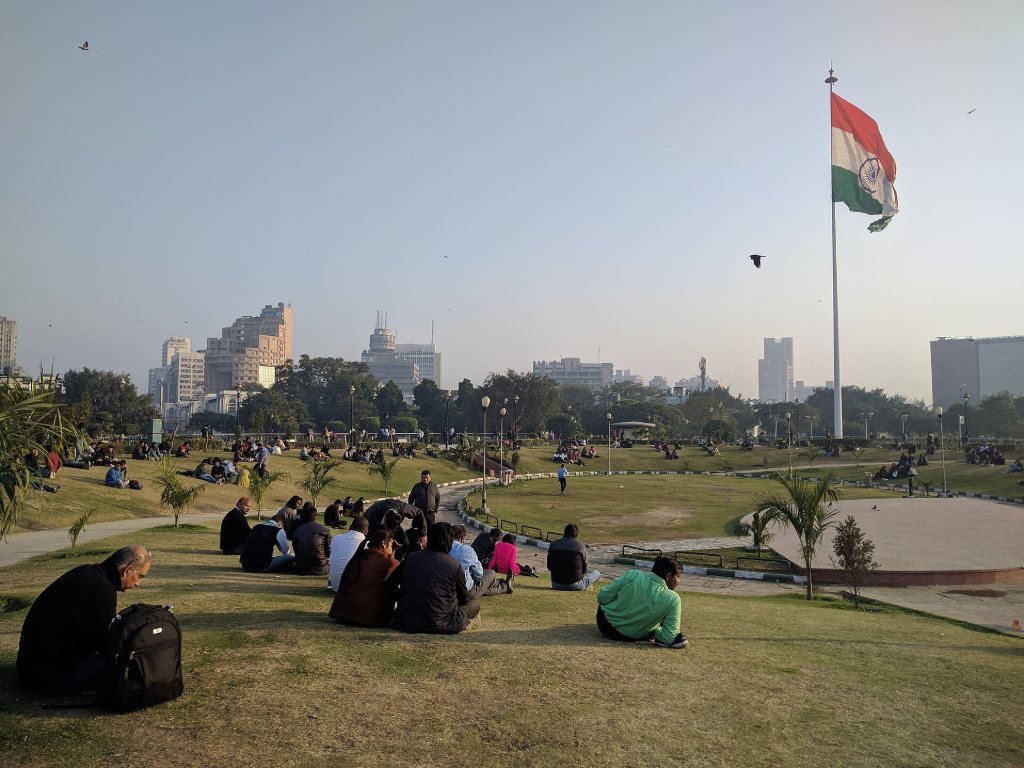
Jantar Mantar became Delhi’s main protest spot in 1993, after the government stopped gatherings at the Boat Club lawns near India Gate. It hosted Anna Hazare’s 2011 hunger strike, the 2012 protests after the Nirbhaya case and the 2023 wrestlers’ sit-in. It was formally recognised as a protest venue in a Delhi Police standing order in April 2022, Business Standard reported.
Its status has been challenged before. In 2017, the National Green Tribunal ordered protests to be moved to Ramlila Maidan over noise and hygiene complaints. In July 2018, the Supreme Court ruled against a blanket ban at Jantar Mantar and the Boat Club area, saying the right to protest has to be balanced with residents’ rights, and that authorities may regulate where and how protests take place.
With the new order, the designated alternatives are Ramlila Ground, Burari Ground and CBD Ground in East Delhi. Police say the decision followed a committee’s review. Dipke reacted by saying the “PM will denotify democracy next”, according to a Business Standard headline.
What to watch next
- The SEM’s decision on Abhijeet Dipke
- Court hearings for Saurav Das and Ashutosh Ranka once their judicial custody ends
- Whether any legal challenge is filed against the de-notification of Jantar Mantar
- The CJP’s next protest call, and whether it uses one of the new venues
New to the movement? Start with our explainer on what the Cockroach Janta Party is and who leads it.
Questions to think about
- Should protest venues be close to Parliament so that lawmakers can see them, or away from busy areas?
- Who should decide where people can protest: the police, the government, or the courts?
- Can a movement that started as an online joke turn into a lasting political force?
Sources: Delhi Police statements, Business Standard, Al Jazeera, The Quint, The News Minute, Amnesty International and Deccan Herald reports, as of October 17, 2026. This timeline will be updated as the cases move forward.