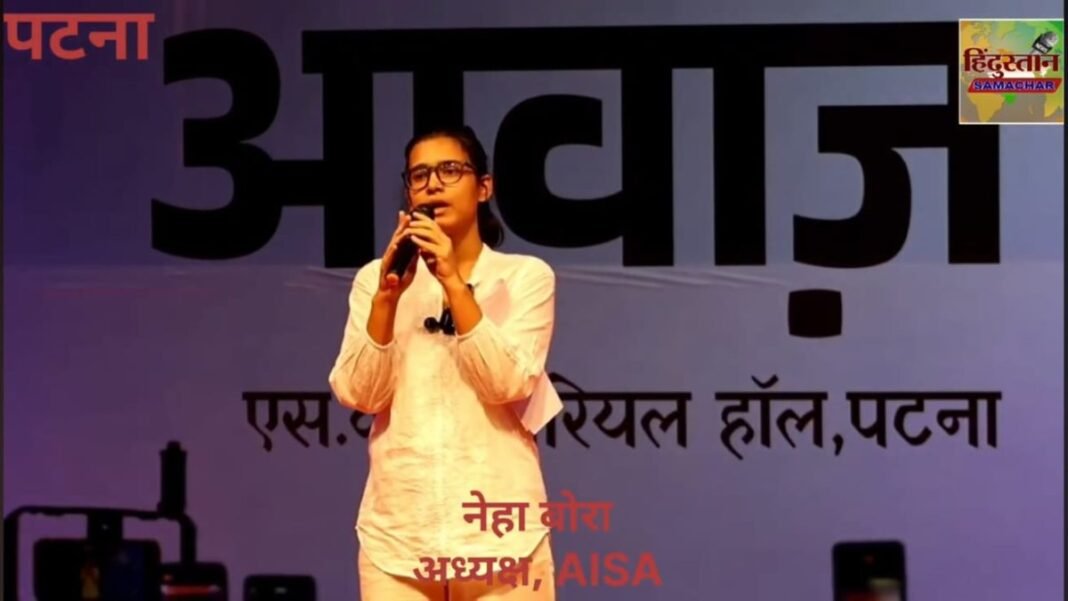
Neha Bora, president of the All India Students’ Association (AISA), was released by Delhi Police early on Saturday, October 17, after about 12 hours in detention. Bora was stopped on Friday evening on the way to the “Lehra Do Tiranga” march at Connaught Place, a protest called by the Cockroach Janta Party (CJP).
“I have been released! @DelhiPolice release all detained protestors!” Bora posted on X shortly before 7 am, The Quint reported.
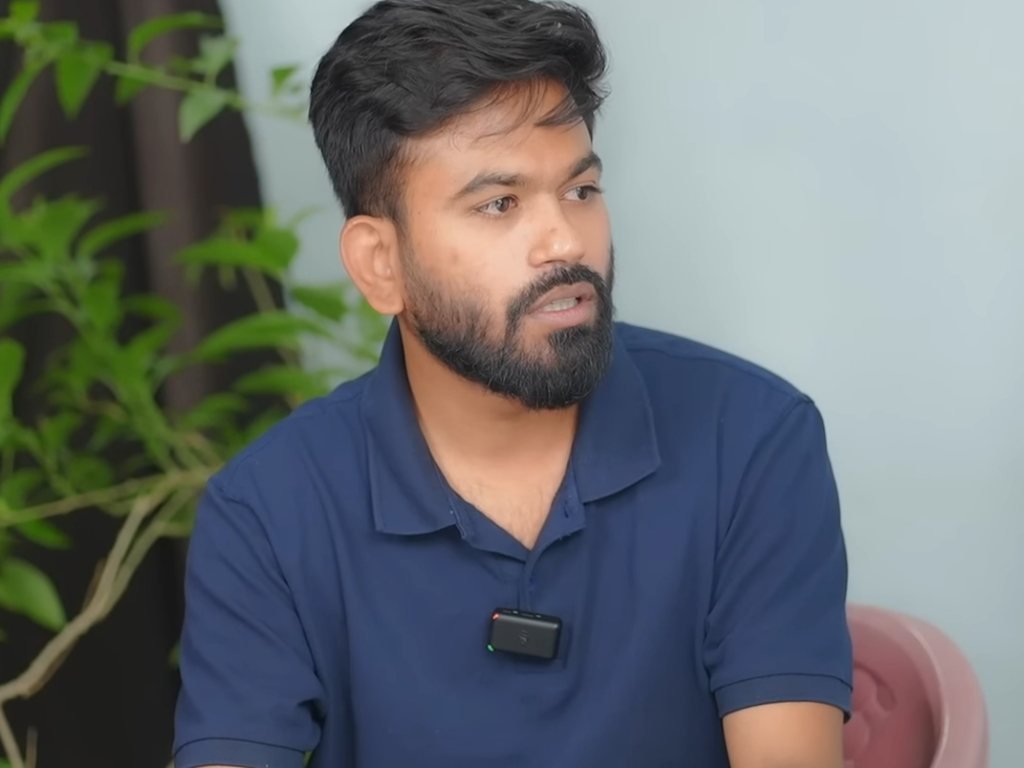
CJP founder Abhijeet Dipke, who was detained the same day, was still in custody on Saturday morning and was due to appear before a magistrate.
Key facts
- Who: Neha Bora, national president of AISA, a left-wing student group linked to the CPI(ML) Liberation
- Detained: Friday, October 16, at Mandi House in central Delhi
- Held at: RK Puram police station, after being moved between several places
- Released: early Saturday, October 17, after about 12 hours
- Legal provision cited by police: Section 65 of the Delhi Police Act
- Still in custody: CJP founder Abhijeet Dipke, arrested under Sections 126 and 170 of the Bharatiya Nagarik Suraksha Sanhita (BNSS)
What happened on Friday evening
The CJP had asked supporters to gather at Central Park in Connaught Place on Friday. Police say the gathering did not have the permission it needed and that prohibitory orders under Section 163 of the BNSS were in force in parts of central Delhi. In their view, a large crowd at Central Park could have blocked commuters, traders and other people using the area.
Bora was picked up at Mandi House, a short drive from Connaught Place. According to The Quint, they were taken to more than one location before ending up at RK Puram police station in south Delhi, where they spent the night.
Student groups also tried to march towards Connaught Place on Friday. The News Minute reported that one such march was led by CPI(M) Rajya Sabha MPs John Brittas and V Sivadasan.
Several FIRs have reportedly been filed over alleged violations of the prohibitory orders and alleged assaults during the demonstrations. We could not find an official count of how many people were detained on Friday.
What Neha Bora has said
After the release, Bora spoke about the hours in custody. Their lawyers “spent 5–6 hours trying to reach me”, Bora said, adding that police took down personal details but did not allow a meeting with a lawyer until late at night.
Bora also questioned why people were held overnight. “Legally, individuals, especially women, ought to be released after sunset, yet this is not happening,” Bora said, as quoted by The News Minute. Bora added that “ordinary citizens are treated as if they were hardened criminals”.
AISA has said Bora was unwell during the detention and did not get needed medicine. We could not find a police response to that claim at the time of writing.
Bora has asked for three things: the release of Dipke and other detained protesters, the withdrawal of the Special Intensive Revision (SIR) of electoral rolls, and the impeachment of Chief Election Commissioner Gyanesh Kumar. Bora also said they had not even known at first that Dipke had been detained.
What the police have said
Delhi Police said Bora was let go once the formalities under Section 65 of the Delhi Police Act were complete. Police have described Friday’s steps as preventive action under prohibitory orders, meant to stop an unpermitted gathering in a busy commercial area.
For Dipke, police invoked BNSS Sections 126 and 170. Section 126 deals with security for keeping the peace, and Section 170 allows police to arrest a person to prevent a cognisable offence. Police said he would be produced before a Special Executive Magistrate (SEM).
What the law says about women and night-time arrests
Bora’s remark about sunset refers to a long-standing rule. Section 43 of the BNSS, which replaced the old CrPC, says a woman should not be arrested after sunset and before sunrise except in exceptional circumstances, and then only by a woman police officer with a magistrate’s prior permission.
That rule is written for arrests. Bora was held under the Delhi Police Act, and police have not said publicly how they view the rule in this case. Lawyers for the detained protesters may raise it later.
Why the march was called
The CJP called Friday’s march to demand that Chief Election Commissioner Gyanesh Kumar resign over alleged problems in the SIR, a large exercise to recheck voter lists. The march was also meant to show support for CJP co-convenors Ashutosh Ranka and Saurav Das.
Opposition parties and several student groups say the SIR could leave eligible voters off the rolls. The Election Commission rejects this. It says the exercise is meant to keep the rolls accurate, and in May Kumar called the result “one of the most accurate electoral rolls in the world”. The Supreme Court has so far declined to order Kumar’s suspension.
The CJP itself is only five months old. It was set up on May 16 after remarks by Chief Justice of India Surya Kant, who had referred to some activists and unemployed young people as “cockroaches”; he later said he meant people with fake degrees. You can read our explainer on what the Cockroach Janta Party is and who leads it.
Where things stand for Abhijeet Dipke
This is the second time in a week that Dipke has been held in Delhi. On October 10, he was detained at Delhi airport along with Saurav Das and Ashutosh Ranka before a planned protest at Jantar Mantar. Delhi Police said the three were released on October 11 after signing a ₹50,000 surety bond to keep the peace for a year. We covered that day’s metro closures and internet curbs in central Delhi.
On Saturday, CJP legal head Ratna Singh said Dipke would be produced before the SEM at Mandir Marg police station around noon, and that lawyers had not been allowed to meet him before that.
One more thing to watch out for: an image of a so-called “bail bond” signed by Dipke has been shared widely online. Fact-checking site Alt News found that the image was made with AI and does not match the police account. Check before you forward such posts.
What happens next
The next step is the SEM’s decision on Dipke, which could mean release on a bond or judicial custody. Bora is free, but the demands behind Friday’s march, on the SIR and on the Chief Election Commissioner, remain open, and so does the question of where protests in central Delhi can be held. We will update this story when the hearing ends.
Questions to think about
- How should a city balance the right to protest with the need to keep busy public places running?
- How soon should a person in preventive detention be able to speak to a lawyer?
- Do detentions before a protest change how many people end up supporting it?
Sources: The Quint, The News Minute, Deccan Herald, Alt News and Delhi Police statements as reported, as of October 17, 2026. This story may be updated as the SEM hearing concludes.