For a few years, BluSmart was the poster child of electric mobility in India. Its all-electric cabs, fixed fares and no-surge pricing won loyal riders in Delhi NCR, Bengaluru and Mumbai, and its investor list included celebrities. Then, in April 2025, the app suddenly stopped taking bookings. Here is what happened and what went wrong.
What happened in April 2025
In mid-April 2025, the market regulator SEBI passed an interim order against Gensol Engineering, a listed company, and its promoters Anmol Singh Jaggi and Puneet Singh Jaggi. Anmol Jaggi was also a co-founder of BluSmart. Days later, BluSmart told customers it had “decided to temporarily close bookings” on its app, and its cabs went off the road in all three cities.
Why Gensol mattered so much to BluSmart
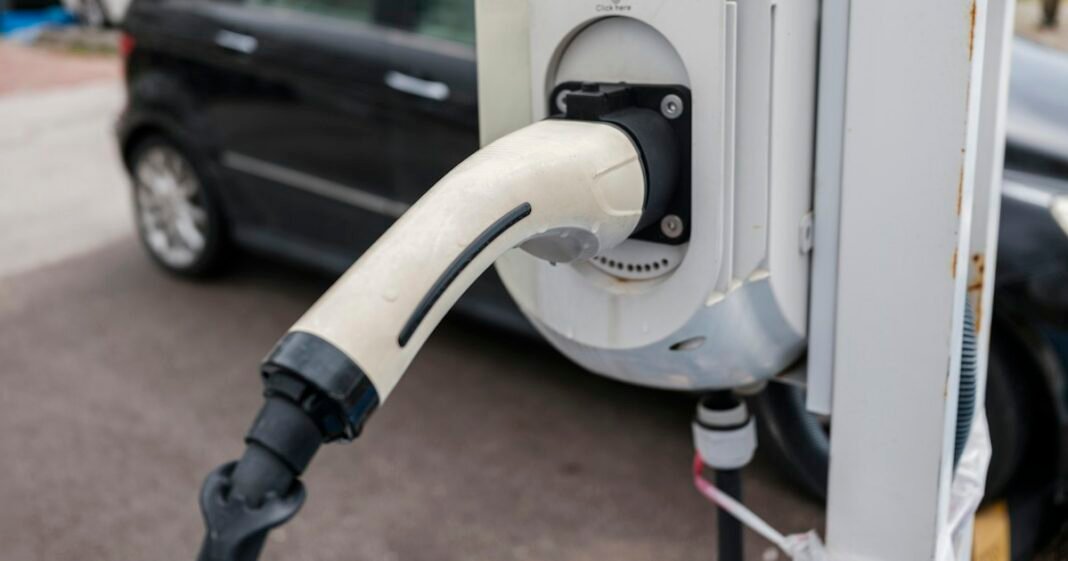
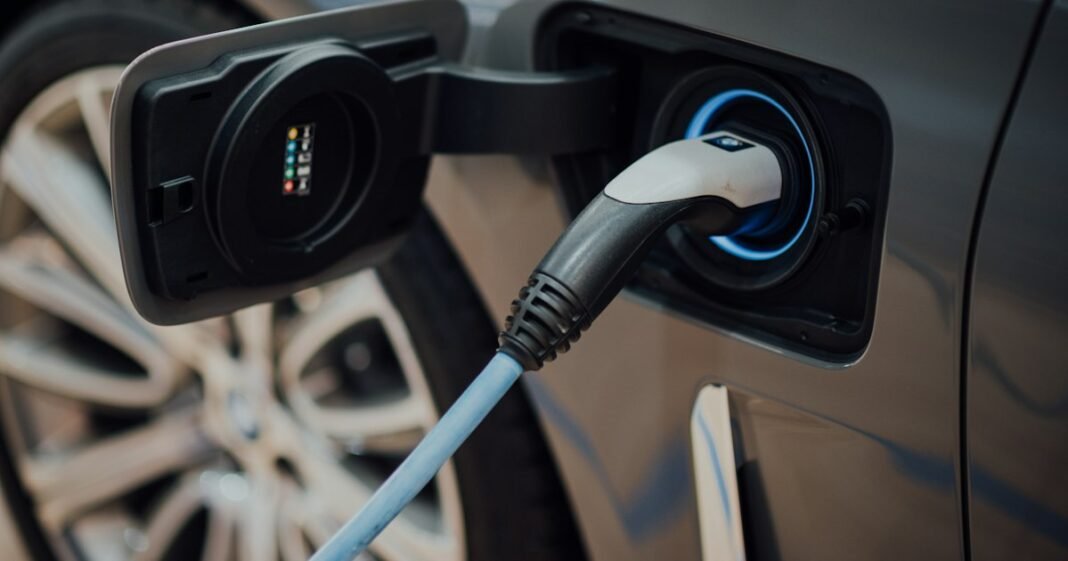
BluSmart did not own most of the cars it ran. Gensol bought electric vehicles, largely with loans from government-backed lenders such as IREDA and PFC, and then leased them to BluSmart. When the regulator’s action hit Gensol, the supply of vehicles behind BluSmart’s service was suddenly in doubt.
What SEBI alleged
- Gensol borrowed about ₹978 crore from lenders between 2021 and 2024.
- About ₹664 crore of this was meant to buy 6,400 EVs for BluSmart, but only 4,704 vehicles were actually bought, leaving a gap of over ₹260 crore.
- SEBI alleged that some of the loan money was routed through layered transactions and used for personal purposes, including payments linked to a luxury apartment in Gurugram.
- SEBI described a “complete breakdown of internal controls and corporate governance norms” at Gensol, barred the Jaggi brothers from the securities market and from key positions at Gensol, and ordered a forensic audit.
Important: these were allegations in an interim order, pending further investigation, not final findings.
Money troubles were already building
Reports at the time said BluSmart had been trying to raise fresh funding and had faced delays in salary payments. Ride-hailing with company-run fleets is capital-hungry: you need huge investment in vehicles and charging before you earn steady profits. When trust in the group collapsed, raising new money became far harder.
Who was affected
- Riders lost a popular, reliable cab option. BluSmart said wallet balances would be refunded if services did not resume within 90 days.
- Drivers, numbering in the thousands, were suddenly left without work.
- Investors, including well-known names, saw the value of their bets thrown into doubt. (Read our Hindi story on what it meant for investors like Dhoni, Deepika and Ashneer.)
- Lenders such as IREDA and PFC had large loans tied to the vehicles.
What went wrong: the key lessons
- Governance matters as much as growth. A great product could not survive a collapse of trust at the group level.
- Related-party structures carry risk. When one group company finances and leases assets to another, weak controls can hide serious problems.
- Asset-heavy models need deep pockets. Owning fleets and charging infrastructure is expensive and leaves little room for error.
- Investors must do real due diligence. Celebrity backing and fast growth are no substitute for checking how money is actually used.
The bottom line
BluSmart’s sudden stop was not a story about electric vehicles failing. EVs remain central to India’s transport future. It was a story about governance, financing and trust. For founders, investors and regulators, it has become one of the clearest cautionary tales in Indian startups.
Based on SEBI’s April 2025 interim order and contemporaneous reporting. Check the latest news for updates on the investigation and BluSmart’s status.
Related reading
- RBI hikes repo rate to 5.50%, first increase since 2023: What it means for your loans and savings
- Cabinet clears ₹10,000 crore SME Growth Fund: Which small businesses can benefit
- UPI Charges From January 2027? What the New UPI Fee Means for Shops and Customers
Questions to think about
- Can ride-hailing and EV fleet companies grow fast without a clear path to profit?
- What protections should drivers and investors have when a start-up shuts down?
- How should regulators watch companies that raise money on a “green” promise?