
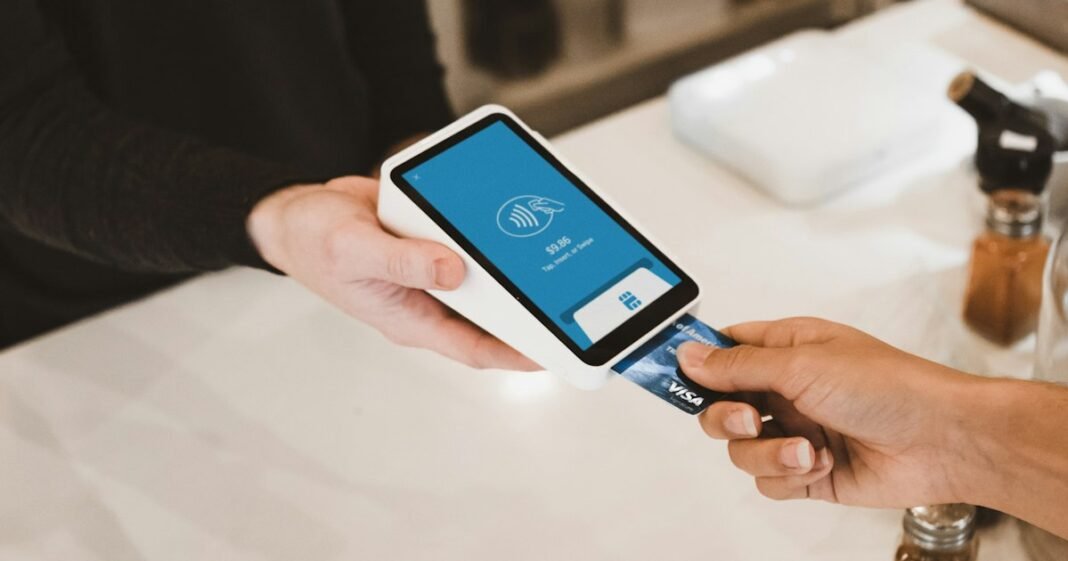
If you run a shop, a restaurant or any business that takes UPI payments, the last few weeks have been confusing. A small fee on certain UPI payments, known as the merchant discount rate or MDR, was set to start on October 15. Now reports say it could be pushed to January 1, 2027. Here is what has actually been proposed, who would pay, who is exempt, and what the possible delay means for you.
The short version
- Customers will not pay anything extra. The charge is on the merchant side only.
- Payments of up to ₹2,000 stay free, and so do person-to-person transfers to friends and family.
- For eligible merchant payments above ₹2,000, the proposed fee is 0.40%, capped at ₹300 per transaction.
- For certain categories such as bill payments, utilities, education and fuel, it is a flat ₹5 per transaction above ₹2,000.
- The rollout, earlier due on October 15, may now be deferred to January 1, 2027, according to a Business Standard report. A final decision was expected within days.
Why UPI is getting a fee at all
UPI has been free for merchants for years, which is a big reason it took over Indian payments. But running the system costs money for banks and payment apps. Without a revenue stream, the companies that build and maintain UPI apps and infrastructure have very little to earn from the world’s busiest real-time payment network.
The scale is huge. UPI processed 24.07 billion transactions worth ₹29.37 lakh crore in September, up 22.6% in volume year on year, according to data reported by Inc42.
Who exactly is exempt?
The government told the Supreme Court that about 96% of merchant transactions would not be affected, meaning the fee would apply to only around 4%. Exemptions under discussion include:
- All payments up to ₹2,000
- All person-to-person (P2P) transfers
- Eligible small merchants. The earlier framework exempted small merchants receiving up to ₹1 lakh a month through UPI QR codes directly into their bank accounts. The NPCI-led steering committee is now reportedly considering exempting businesses with annual turnover of up to ₹40 lakh.
Authorities are also reported to be considering raising the daily UPI limit for some categories from ₹1 lakh to ₹2 lakh.
How the 0.40% would be shared
Under the standard structure reported by Inc42, the merchant’s bank (the acquirer) collects the 0.40%. Out of that, 0.28% goes to the customer’s bank as interchange, which in turn passes 0.12% to the payer-side bank, and 0.08% reaches the UPI app provider. In simple words, the fee is meant to pay everyone in the chain that keeps your payment working.
Why traders are pushing back
Retailer and distributor bodies have strongly opposed the move. The All India Mobile Retailers Association (AIMRA) and the All India Consumer Products Distributors Federation (AICPDF) had called a “No UPI Day” protest for October 2, which they withdrew after meeting Finance Minister Nirmala Sitharaman on September 30. AIMRA wants a small fixed charge instead of a percentage. AICPDF estimates the fee could add ₹7,000 crore to ₹9,000 crore a year in costs across FMCG distribution and retail.
The timing also matters. A delay to January would keep eligible merchant UPI payments free through the festive season, when sales are at their highest.
What the RBI Governor said
RBI Governor Sanjay Malhotra said he does not personally think a small fee will have a major impact on UPI volumes, and that there has been no drop in volumes so far.
How the stock market reacted
Listed fintech companies fell on October 8 after reports of a possible delay, since a fee would add to their revenue. Paytm closed about 5.4% lower at ₹1,640 after falling as much as 10% during the day, Pine Labs closed 4.3% lower, and MobiKwik ended about 4.5% down, according to Inc42.
What should merchants do now?
- Check whether you are exempt. If most of your payments are under ₹2,000, or your turnover is small, you may not be affected at all.
- Look at your big-ticket UPI sales. If you regularly take payments above ₹2,000, estimate what 0.40% would mean for your margins.
- Do not add a surcharge on customers yet. Wait for the final rules and the effective date.
- Keep your bank’s messages handy. Your acquiring bank or payment provider will explain how and when any charge applies.
What should customers do?
Nothing. Paying a shop by UPI will not cost you extra, and sending money to friends and family stays free.
The bottom line
The UPI fee is real, but it is narrow: merchant payments above ₹2,000, paid by the merchant, with small businesses largely exempt. The only open question is timing. If the deferral is confirmed, merchants get a fee-free festive season and the charge starts with the new year. We will update this article when the final decision is announced.
Sources: reporting by Inc42 and Business Standard as of October 8, 2026. Details may change once the final notification is issued.