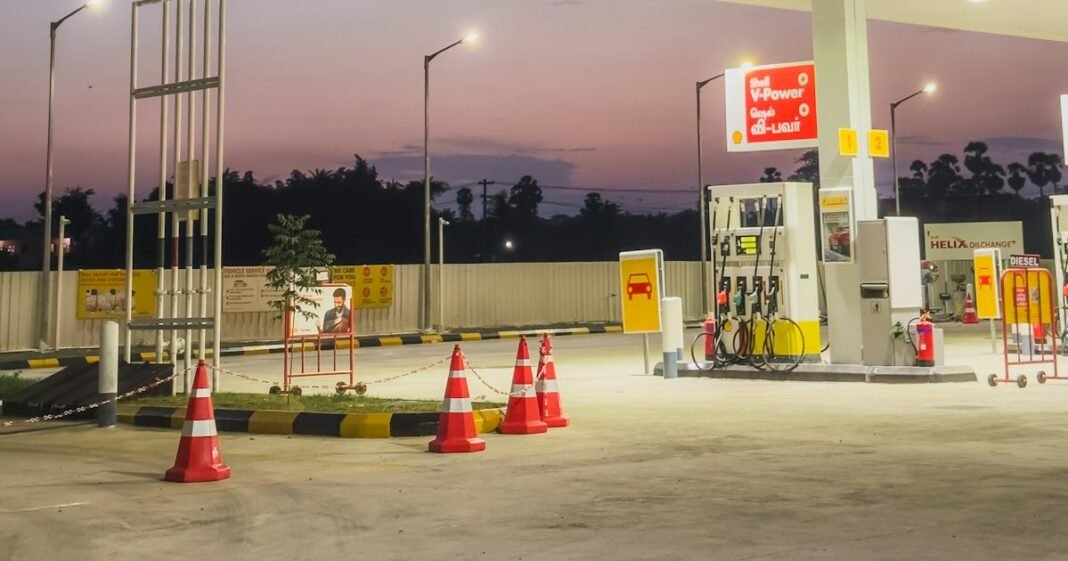

When crude oil prices jump, the first thing everyone notices is the pump. But oil is in almost everything we buy. It moves the trucks that bring vegetables to your local market, it is used to make plastics and packaging, and it powers flights and much of the logistics behind online shopping. That is why a big rise in oil prices tends to show up a few weeks later in your grocery bill, your travel plans and even your EMIs.
This guide looks beyond the fuel tank and at how to protect your whole household budget when oil prices surge.
How oil prices reach your wallet
- Transport costs: diesel prices affect freight, so fruits, vegetables and everyday goods can get costlier.
- Travel: airfares, cab fares and bus tickets often rise with fuel costs.
- Packaged goods: plastics and packaging are made from petrochemicals.
- Interest rates: if overall inflation rises, the RBI may keep interest rates higher for longer, which affects loan EMIs.
- The rupee: India imports most of its crude oil, so higher oil prices can put pressure on the rupee, making other imports more expensive too.
7 ways to shield your household budget
1. Plan groceries around seasons and local markets
Seasonal, local produce usually travels shorter distances and costs less. Plan weekly meals, buy staples in sensible bulk when prices are good, and cut down on food waste. Throwing away food is the same as throwing away money.
2. Rethink deliveries
Quick-commerce and food delivery fees often rise when fuel gets costlier. Batch your orders, pick up from nearby stores when you can, and keep an eye on delivery and surge charges that quietly add up.
3. Book travel early and stay flexible
Airfares are sensitive to fuel costs. Booking early, being flexible on dates and considering trains for medium distances can save a lot, especially for family trips and festival travel.
4. Cut electricity use at home
Energy costs are linked across the economy. Simple steps like switching to LED bulbs, setting the AC to around 24°C, choosing appliances with good star ratings and switching devices off at the plug help reduce bills month after month.
5. Look at your loans
If you have a floating-rate home loan, an inflation spike can delay rate cuts. Consider making small prepayments when you get a bonus, and compare your rate with what new borrowers are offered. Sometimes a simple request to your bank to move to a lower benchmark rate can reduce your EMI.
6. Strengthen your emergency fund
Periods of rising prices are exactly when unexpected costs hurt most. Try to keep three to six months of essential expenses in a safe, easily accessible place, so a tough month does not push you towards credit card debt.
7. Keep your investments on track
Oil shocks often make markets nervous. That is not a reason to stop your SIPs. Make sure your long-term money is in assets that historically beat inflation, and hold a small portion in gold for balance. Avoid reacting to daily headlines.
Quick checklist
- Track this month’s grocery, travel and delivery spending.
- Switch at least one regular delivery habit to a cheaper option.
- Book your next trip early.
- Check your home loan rate.
- Top up your emergency fund.
The bottom line
Rising oil prices hit your wallet in more places than the petrol pump. Spotting where the costs show up, and adjusting groceries, travel, energy use and loans early, keeps your household budget steady even when global oil markets are not. For more ideas, see 7 money moves that beat inflation.
This article is for general information only and is not financial advice.