

Almost every website, app and bank system you use is built with free, open-source software. Much of it is looked after by a few volunteers. In October 2024, the Indian stockbroking company Zerodha announced the FLOSS/fund, a promise to give $1 million every year to open-source projects. This article explains what the fund is, how it works, and what has happened since.
The short version
- What: a $1 million a year commitment to Free/Libre and Open Source Software (FLOSS).
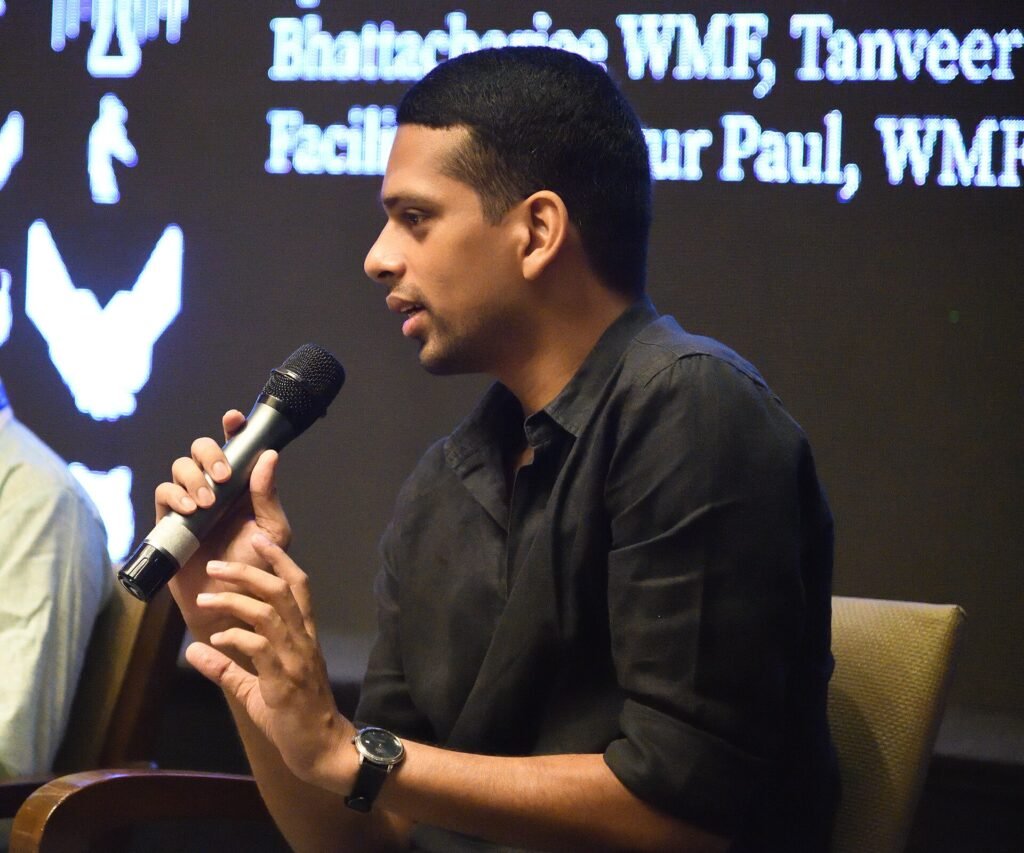
- Who announced it: Kailash Nadh, Zerodha’s chief technology officer, in October 2024.
- Grant size: between $10,000 and $100,000 per project. Zerodha said the total could grow later.
- How to apply: projects publish a small file called funding.json on their website or code page and submit its link.
What is open-source software, and why does it need money?
Open-source software is code that anyone can use, study and improve for free. Many tools that big companies depend on, from encryption libraries to video players, are made this way. The problem is that using free software costs nothing, so the people who maintain it are often unpaid. When a project loses its volunteers or runs out of time, everyone who relies on it is affected. Zerodha said its own business depends on open-source tools for programming, databases and infrastructure, and the fund is its way of giving something back.
How the application works
Instead of a long grant form, projects add a funding.json file that states who they are, what they do and how much they need. The files are collected in a directory, and the fund’s team reviews them. Reports say paying out can take anywhere from 4 to 16 weeks, and that the first year showed some problems, including irregular applications and tax and banking complications when sending money to many countries.
Who has received money so far
Reports from 2025 say money went out in two rounds: about $325,000 to 9 projects in May 2025, and a final $675,000 for 29 more projects later in the year. Projects named in the coverage include Krita (a free painting program, which said it would use $50,000 to improve its Android version), OpenSSL, Weblate and FFmpeg. According to those reports, only part of the first round had actually reached the projects by October 2025 because of cross-border payment issues, and Zerodha was looking at partnering with GitHub Sponsors to make payments easier. The company has also said it plans to give another $1 million in 2026. You can see the official list on the FLOSS/fund website and in Zerodha’s 2025 open-source report.
About Zerodha
Zerodha is one of India’s largest stockbrokers. Its venture arm, Rainmatter, has backed more than 100 startups across fintech, climate technology and health. Reports in 2024 said Zerodha’s profit after tax for the 2023-24 financial year rose 61% to about ₹4,700 crore, with revenue up 21% to around ₹8,320 crore. Those numbers show why a $1 million fund is small compared with its income, but small grants can matter a lot to a volunteer project.
What this means for readers and founders
- If you build software, check which open-source tools your product relies on, and consider sponsoring them.
- If you maintain a project, look at funding.json and the fund’s rules before applying.
- If you are just a user, it is a reminder that free tools still have people behind them.
Questions to think about
- Should big companies that profit from open-source tools be expected to pay for them, or is it a voluntary choice?
- Is $1 million a year enough, or does India need a larger, government-backed open-source fund?
- What practical steps could make paying small projects in many countries faster and cheaper?
Related reading
- Startup funding this week: Indian startups raise $123 million
- Startup basics: a plain-English glossary for entrepreneurs
- Top 5 Indian AI startups to watch in 2026
Sources
- The Register: Zerodha open source fund
- Zerodha: open-source report 2025
- Open Source For You: final $675,000 tranche
This article is for general information. Company figures are as reported by news outlets and may be revised.