Updated 23 November 2026
The Public Provident Fund (PPF) is one of India’s best-known long-term savings schemes. It is backed by the government, so it suits people who want steady, low-risk growth over many years.
Key points
- The Public Provident Fund (PPF) is one of India’s best-known long-term savings schemes.
- PPF has traditionally been EEE: deposits qualified for a deduction under the old regime, and interest and maturity amounts were tax-free.
- Interest is calculated on the lowest balance between the 5th and the last day of the month.
- PPF is safe but locks money for a long time.
- Parents can open a PPF account for a minor child.
PPF at a glance
- Tenure: 15 years, which can be extended in blocks of 5 years
- Deposits: minimum ₹500 and maximum ₹1.5 lakh in a financial year
- Interest: set by the government, and reviewed every quarter
- Who can open: resident Indians; one account per person
How to open
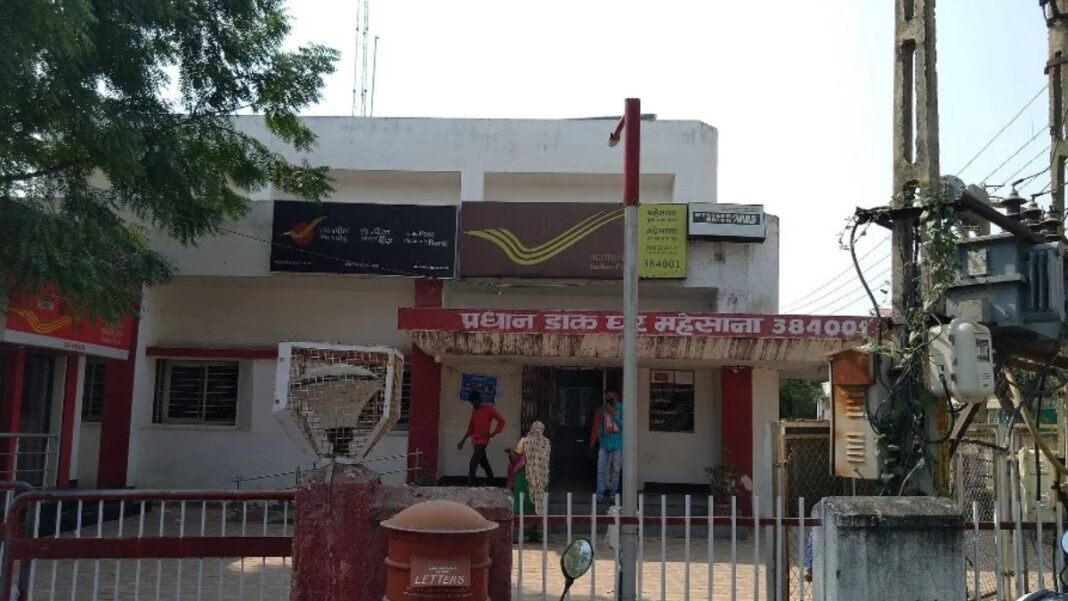
- Choose a post office or an authorised bank, many of which allow it online.
- Submit the form, Aadhaar, PAN and photo.
- Add a nominee.
- Deposit at least ₹500.
Getting your money
- Loan: available during certain years of the account.
- Partial withdrawal: allowed from about the seventh year, within limits.
- Premature closure: allowed for reasons such as serious illness or higher education, after five years, with a penalty on interest.
- Maturity: close the account, or extend it.
Tax treatment
PPF has traditionally been EEE: deposits qualified for a deduction under the old regime, and interest and maturity amounts were tax-free. Check how this applies to you under your chosen regime.
A tip on timing
Interest is calculated on the lowest balance between the 5th and the last day of the month. Depositing before the 5th of a month can earn you more interest, and depositing early in the year helps most.
PPF vs other options
PPF is safe but locks money for a long time. Equity funds may offer higher returns with higher risk. Many people use both.
PPF for a child
Parents can open a PPF account for a minor child. The combined deposit limit with the parent’s own account remains ₹1.5 lakh a year.
What if you miss a deposit?
If you do not deposit the minimum in a year, the account becomes inactive. You can revive it by paying the missed amounts and a small penalty. Loans and withdrawals may not be available until then.
Loan and partial withdrawal: two different options
PPF has a 15-year lock-in, but the rules give two ways to use the balance earlier. They are often mixed up, so here is the difference.
| Option | When it is available | How it works |
|---|---|---|
| Loan against the account | From the third financial year after opening, up to the sixth | You borrow against the balance and repay with interest; the account itself keeps running |
| Partial withdrawal | From the seventh financial year onwards | You take out a limited share of the balance, and the amount is permanently withdrawn |
The permitted limit for withdrawal is calculated on the balance at the end of an earlier year, not on today’s balance, and only one withdrawal is allowed per year. The post office or bank can compute your eligible amount using the official formula.
What happens at maturity
When the 15 years end, you have three choices.
- Close the account and take the full balance.
- Keep the account open for five more years without making new deposits. It continues to earn interest and you can withdraw once a year.
- Extend it in blocks of five years with fresh deposits, by submitting the extension form within one year of maturity.
If you do nothing, the account is treated as extended without contributions. It is worth deciding rather than drifting into this default.
Closing early
Premature closure is possible only after five completed financial years and only on specified grounds, such as a serious illness of the holder or a family member, or higher education of the account holder or the children. Documentary proof is required, and the interest rate on the whole balance is reduced as per the scheme rules. A change of mind is not a valid ground.
Practical points on deposits
- The minimum deposit is Rs 500 a year and the maximum is Rs 1.5 lakh a year across all PPF accounts in your name.
- You can deposit in up to twelve instalments in a year.
- Interest is calculated on the lowest balance between the fifth and the end of each month, so depositing by the 5th earns that month’s interest.
- You can nominate one or more people and change the nomination later.
The interest rate is announced quarterly by the government and can change, so check the latest figure on the India Post website or with your bank. This is general information and not investment or tax advice.
Frequently asked questions
Can an NRI open a new PPF?
No, new accounts cannot be opened by NRIs, though rules for existing accounts apply.
Can I hold two PPF accounts?
No, only one in your own name.
Can I move my account from a post office to a bank?
Yes, by a transfer request.
Can I extend a PPF account after 15 years
Yes. You can extend it in blocks of five years, with or without further contributions. To extend with contributions, you have to submit the form within one year of maturity. Without it, the account is treated as continuing without contributions.
Is PPF interest taxable
Under current law, the interest and maturity amount are tax-free, and deposits qualify for deduction under section 80C in the old tax regime. Rules can change, so check the latest provisions on the income tax portal.
How is PPF different from EPF
EPF is linked to salaried employment and funded by both employee and employer. PPF is open to any resident individual, funded only by you, and you can open it at a post office or a bank without being employed.
Quick tip
Deposit before the 5th of a month for full interest on that amount.
Questions to think about
- Is a 15-year lock-in a strength or a weakness?
- How should young earners split money between safe and risky options?
Sources: India Post and Department of Economic Affairs. This is not investment advice.