Updated 15 November 2026
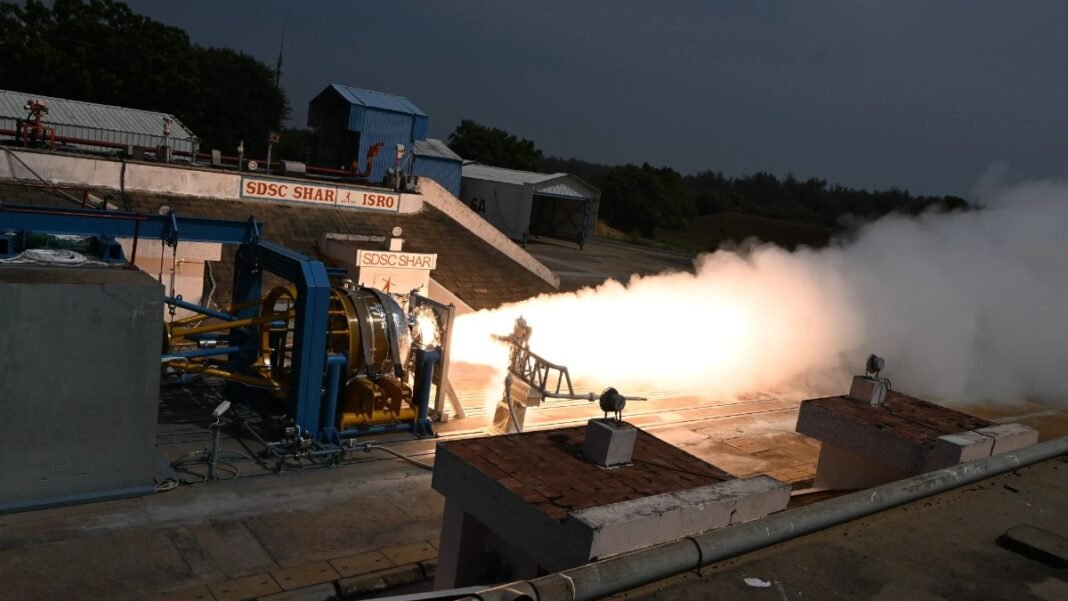
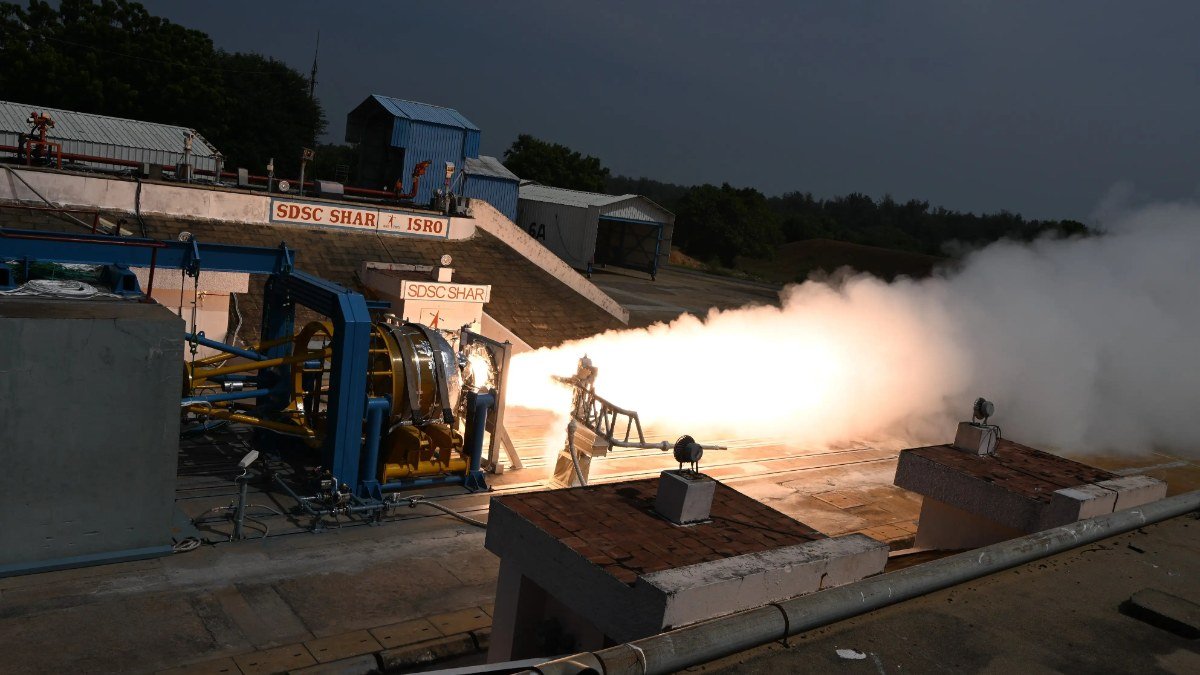
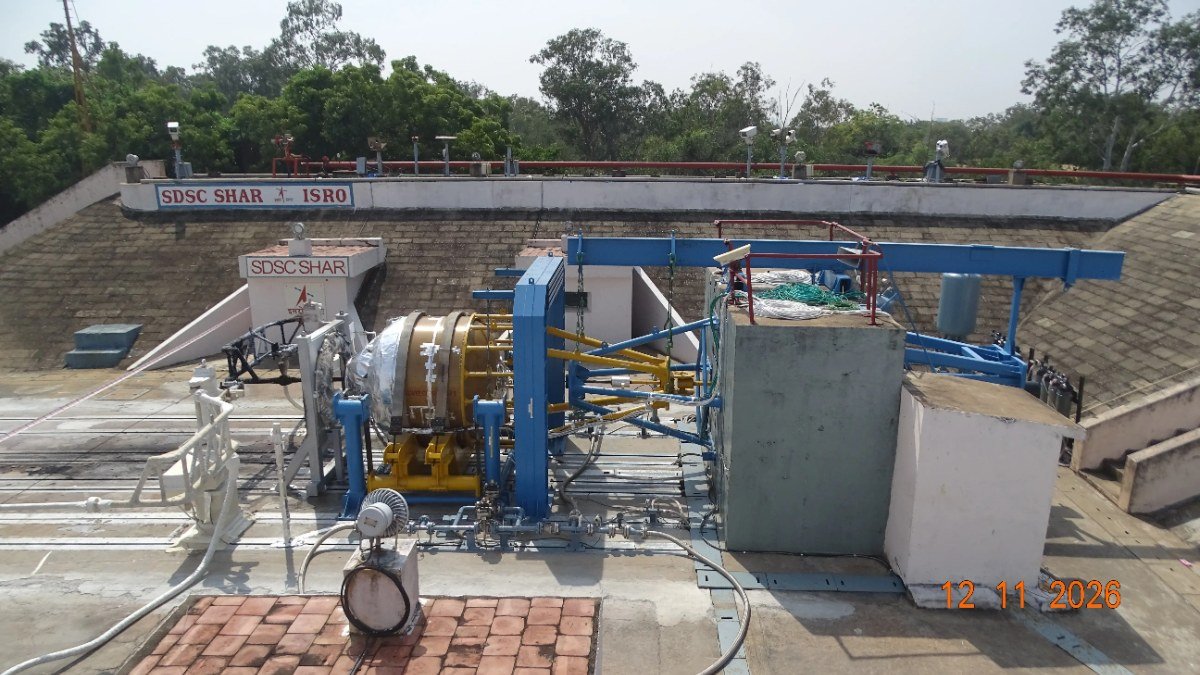
ISRO has successfully ground-tested a redesigned third stage of its workhorse rocket, the PSLV, a key step towards getting the launcher flying again after two missions failed because of problems in that same stage. The test was carried out on 12 November 2026 at the Static Test Facility of the Satish Dhawan Space Centre in Sriharikota, the space agency said in a press release.
Key points
- Ground static test of the new PSLV third stage (PS3) on 12 November 2026 at Sriharikota
- The stage was redesigned after anomalies on the PSLV-C61 and PSLV-C62 missions
- Changes include an improved nozzle, extra seals and stricter quality checks
- ISRO says more tests are planned; no return-to-flight date yet
What ISRO tested
The Polar Satellite Launch Vehicle (PSLV) has four stages. The third, called PS3, is a solid rocket motor that fires after the first two stages have done their job, pushing the rocket and its satellite higher and faster towards orbit. In a ground static test, the motor is fixed firmly to a test stand and fired on the ground, so engineers can measure how it performs without launching anything.
ISRO said “the new version of the PS3 Solid motor stage is realized and tested successfully”. It did not give figures for thrust or burn time in its release.
Why the third stage was redesigned
The PSLV is one of the most reliable rockets in the world, but it has had a difficult run. On 18 May 2025, the PSLV-C61 mission carrying the EOS-09 earth observation satellite failed after a problem in the third stage. A later mission, PSLV-C62, carrying the EOS-N1 satellite, also ran into trouble in the same stage.
ISRO said that after the anomalies on both missions, “the configuration of the PS3 stage was revisited comprehensively”. The changes it listed are:
- Nozzle: improvements to the nozzle configuration “to improve design margins”, meaning more room for error under stress.
- Seals: redundancy, or backup, in the sealing systems, so one failed seal does not lead to a failure.
- Quality: updated checks on raw materials, assembly procedures, non-destructive testing and quality inspections.
What happens next
ISRO said that “further tests are planned” based on a detailed study of the data from this test. It has not announced when the PSLV will fly again or which mission will be next. A return to flight usually needs more than one successful ground test, followed by reviews by expert committees, before a rocket is cleared to carry an expensive satellite.
Why it matters for India
The PSLV has launched dozens of Indian and foreign satellites, including the Chandrayaan-1 and Mangalyaan missions, and it earns India money from commercial launches. Earth observation satellites like the EOS series help with weather, farming, disaster response and defence. Getting the PSLV back to its old reliability matters for India’s space plans and for the trust of customers who want to launch with ISRO.
Frequently asked questions
What is PS3 in PSLV?
PS3 is the third stage of the PSLV, a solid-fuel rocket motor that fires after the first two stages separate.
Why did ISRO redesign the PSLV third stage?
Because anomalies in this stage affected the PSLV-C61/EOS-09 and PSLV-C62/EOS-N1 missions.
When will the PSLV fly again?
ISRO has not announced a date. It says more tests are planned.
Questions to think about
- Should ISRO share more details of failure investigations with the public?
- How many tests should a redesigned stage pass before it flies again?
- Can private launch companies in India fill the gap while the PSLV is grounded?
Read next
- PM Awas Yojana Gramin: Odisha gets 5 lakh new houses. How to check your name in the PMAY-G list
- Delhi CM Rekha Gupta opens Delhi Pavilion at IITF 2026: 62 stalls, women entrepreneurs and “Vikas Bhi, Virasat Bhi”
- IITF 2026: dates, tickets, timings and everything on show at the 45th India International Trade Fair