
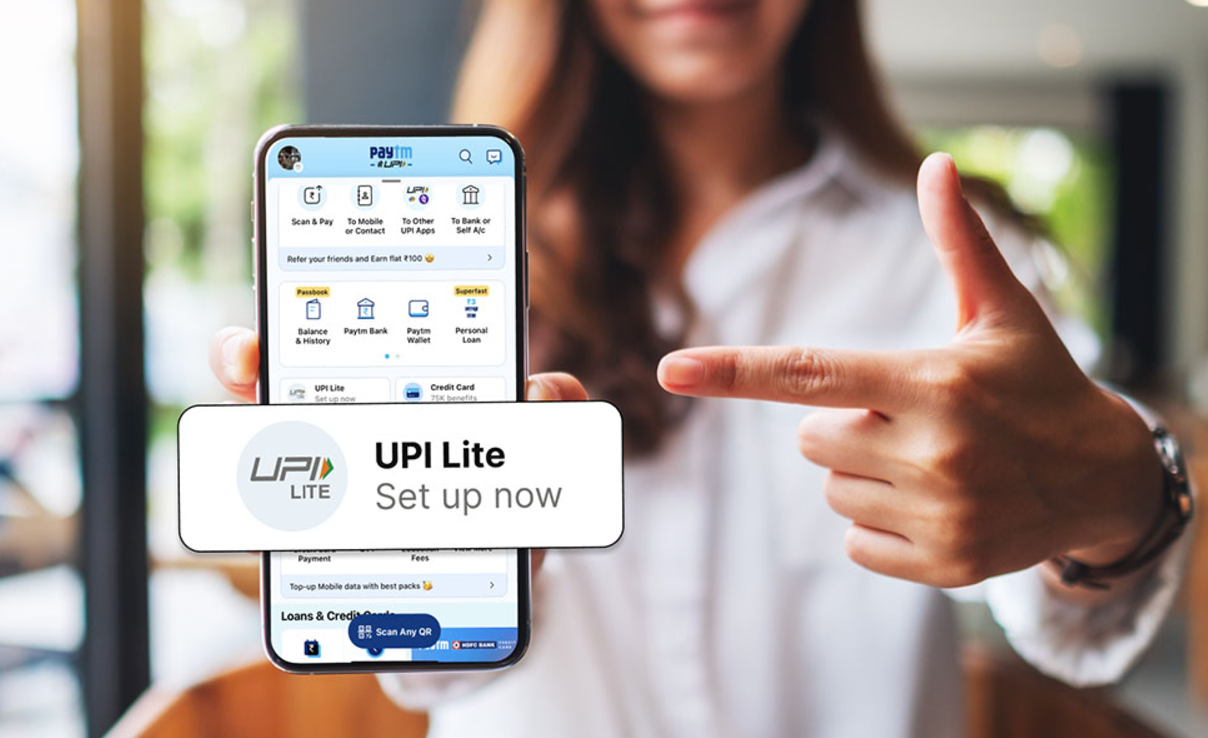
In November 2024, Paytm told customers that they could now pay with UPI at some places outside India. Since then, more Indians have started to carry less foreign cash on holiday. This guide explains, in simple words, what UPI International is, how to switch it on in Paytm, and what can still go wrong. It was first written in November 2024 and has been updated in October 2026. Country lists change often, so always double-check before you travel.

The short version
- UPI International lets you scan a local QR code abroad and pay from your Indian bank account. The shop receives local money.
- Paytm said it works in places such as the UAE, Singapore, France, Mauritius, Bhutan and Nepal. Other lists published online are slightly different, so treat any list as a guide, not a promise.
- You usually have to switch it on first, for a set period, and confirm with your UPI PIN.
- Paytm says you can send up to ₹2,00,000 a day. Your own bank may set a lower limit.
- Once you confirm a payment, you cannot cancel it. It is a direct bank-to-bank transfer.
What is UPI International?
UPI is the system that lets you send money from one bank account to another using a phone. UPI International is the same idea across borders. A shop in another country shows a QR code that its bank supports. You scan it in your Indian payments app, see the amount, and approve it with your PIN. Your bank takes the rupees from your account, and the shop gets local currency.
For this to work, two things must be true: your Indian bank must allow international UPI on your account, and the shop’s bank in that country must be linked to the UPI network.
How to switch it on in Paytm
- Open the Paytm app and tap your profile.
- Go to UPI & Payment Settings and choose UPI International.
- Pick how long you want it active: one week, two weeks, one month, three months or a custom date.
- Confirm with your UPI PIN.
The steps and screens can change when the app is updated, so follow what you see on the screen. If you cannot find the option, your bank may not support it yet. In that case, contact your bank before your trip, not at the airport.
Where it works
At the time of the original announcement, Paytm named the UAE, Singapore, France, Mauritius, Bhutan and Nepal. Different publications list slightly different countries, and some mention Japan as well. The National Payments Corporation of India (NPCI) runs UPI, and its website is the best place to see the current list. A country appearing on a list does not mean every shop there accepts it. Look for the UPI sign at the till.
Five checks before you fly
- Switch it on in advance and test a small payment as soon as you land.
- Ask your bank about charges. Banks may add a currency conversion fee. The final rupee amount is shown before you approve, so read it.
- Keep a backup. Carry a forex card or a credit card that works abroad, plus a little local cash. Phones die and networks fail.
- Check the payee name on the screen before you press confirm. Because payments cannot be reversed, a wrong scan is hard to fix.
- Turn it off after the trip if you do not need it. A shorter activation period is safer.
Why this matters for India
UPI has become one of the main ways Indians pay. When this feature launched in 2024, UPI had already crossed ₹20 trillion in monthly value for the third month in a row, according to the numbers quoted at the time. Taking it abroad is a big step because it lets Indian travellers use a familiar app instead of juggling cards. It is also a way for countries to link their payment systems. For more on how UPI itself is changing at home, read our piece on possible UPI fees from January 2027.
Questions to think about
- Would you rely only on UPI during a foreign trip, or would you still carry a card and cash?
- Should banks and apps show the total charge in rupees before every cross-border payment, in very plain words?
- If a payment cannot be cancelled once approved, what extra checks would you like to see in payment apps?
Related reading
- UPI charges from January 2027? What the new UPI fee means for shops and customers
- RBI hikes repo rate to 5.50%: what it means for your loans and savings
- 7 money moves that beat inflation in 2026
Sources
This article is for general information and is not financial advice. Features, limits and charges are set by Paytm, your bank and the payment networks, and can change.