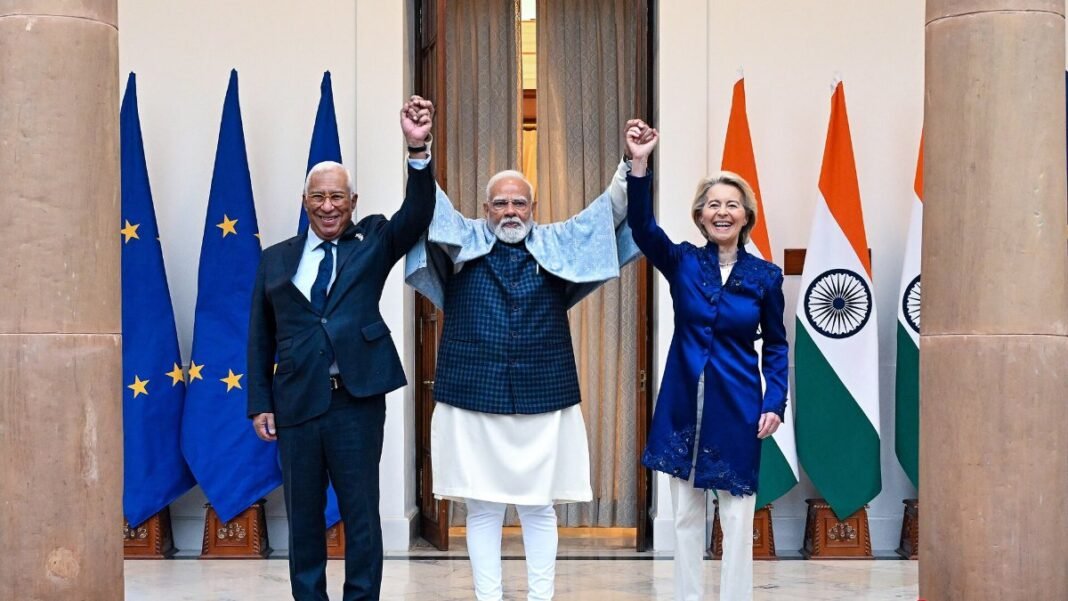
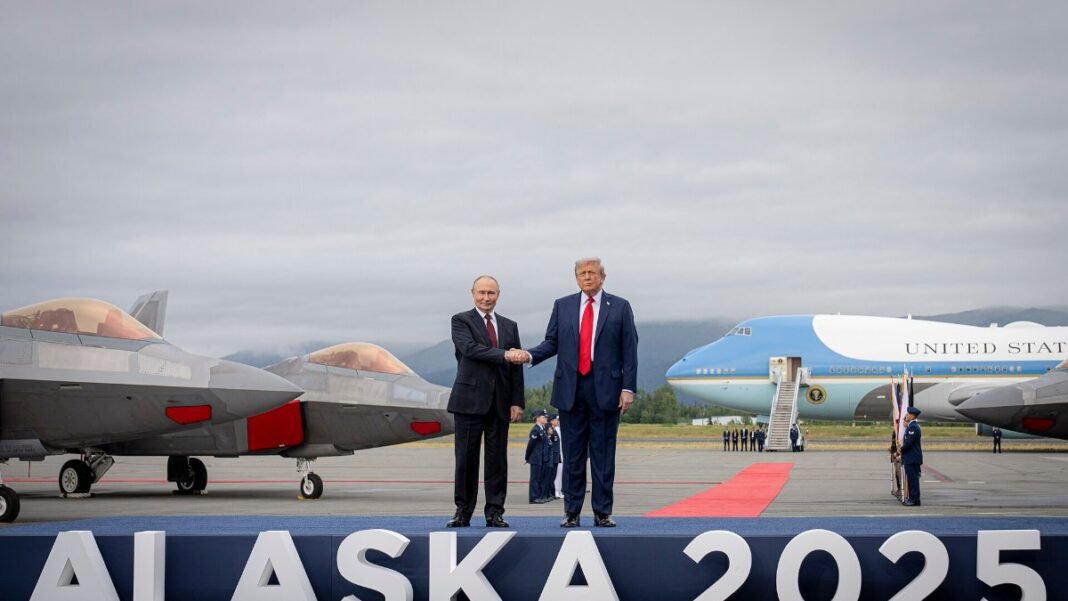
US President Donald Trump has waived a set of new tariffs and sanctions aimed at countries that buy Russian oil and gas, two days before they were due to start. The measures come from a law Trump himself signed in September, and they could have meant tariffs of up to 100% on goods from the biggest buyers of Russian energy. India is one of them.
In an executive order released on Friday, October 16, Trump said the waiver “is in the national interests of the United States”. It stays in place until he or his senior officials decide that “further action is appropriate”, Reuters reported.
For Indian exporters and refiners, the order removes an immediate risk. It does not remove the law.
Key facts
- The law: the Lindsey O. Graham Sanctioning Russia and Iran Act, passed by Congress on September 16 and signed on September 18, 2026
- What it allowed: tariffs of up to 100% on all goods from the five largest buyers of Russian crude oil or gas, and from countries helping Russia avoid sanctions
- When it would have bitten: on purchases after October 18
- What Trump waived: the duties under Sections 112 and 113 of the Act, plus specified sanctions and restrictions
- How long: no end date; it lasts until the White House decides otherwise
- Who it covers: it is not an India-only exemption; China, the largest buyer, also benefits
What the Graham Act was meant to do
The law was designed to raise pressure on Russia over the war in Ukraine, which began with Russia’s full-scale invasion in 2022. Its main backer was the late Senator Lindsey Graham, a Republican from South Carolina, after whom it is named. It passed both houses of Congress with large majorities, though many Democrats opposed it because it handed the president new tariff powers.
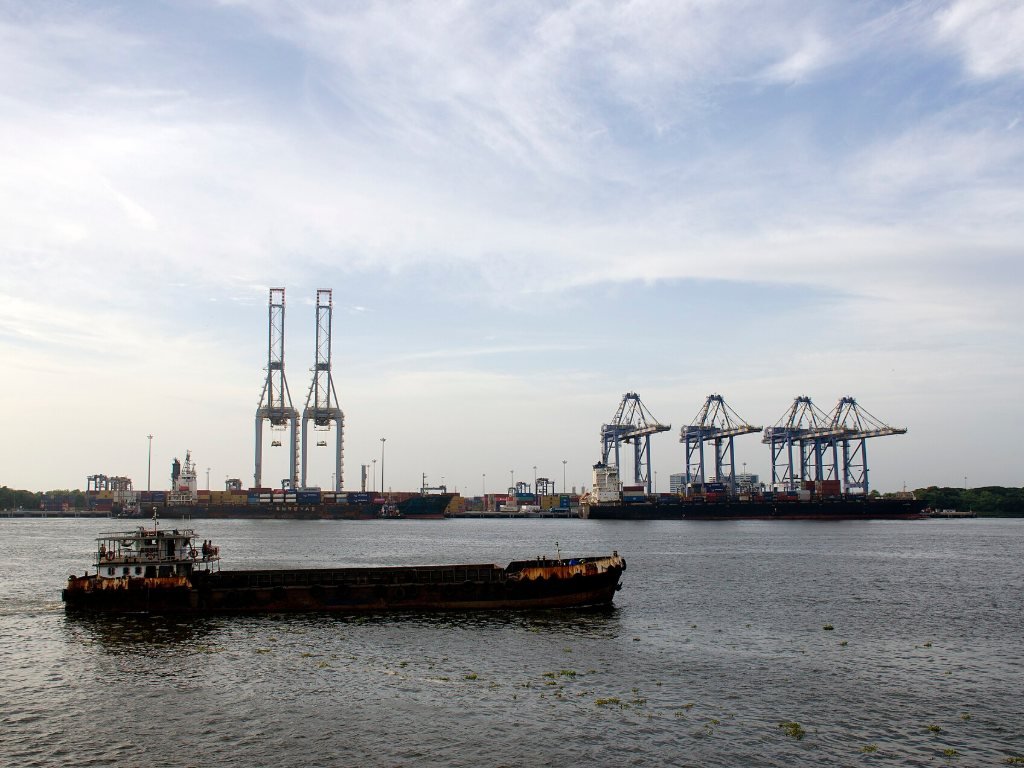
The idea was simple: if Russia earns most of its money from oil and gas, hit the countries that buy it. The Act let the president put tariffs of up to 100% on every product coming from the top five buyers. For a country like India, which sells everything from medicines to garments and engineering goods to the US, that would have been a serious blow.
The law also has an escape hatch. Section 115 lets the president waive these penalties if he certifies to Congress that it is in the national interest and sends a report explaining why. Trump says he has done both.
What Trump’s order says
“I am hereby waiving the application of such sanctions, restrictions, and duties provided for in the Graham Act,” the order reads, according to PTI, via ThePrint.
The order does not end the matter, though. It asks the US Trade Representative and other senior officials to keep watching purchases of Russian crude and gas, and any attempts to dodge sanctions, and to alert the president if further action may be needed. Other US tariffs that already apply to these countries stay as they are.
Why now?
The White House has given only the “national interest” reason in public. News reports point to a few things happening at the same time:
- Fuel prices: NBC News reported that diesel prices in the US have risen almost 70% since the Iran war began in February.
- A diesel deal: the week before the waiver, Trump announced an arrangement with Russian President Vladimir Putin to release “hundreds of thousands of tons” of Russian diesel onto world markets, NBC reported.
- Elections: the US midterm elections are less than three weeks away, and the cost of living is a top issue for voters.
Analysts quoted by Reuters said the new penalties could have pushed oil prices higher. India’s Global Trade Research Initiative (GTRI), a Delhi think tank, said the reported diesel arrangement is context rather than proof of why Trump acted.
How people in Washington reacted
Democrats criticised the move. Senator Richard Blumenthal of Connecticut wrote on X that the waivers “have nothing to do with our national security”, and accused the president of trying to please Putin. Representative Don Bacon, a Nebraska Republican who supports Ukraine, said on X that the president “is prolonging the war, not ending it”. The White House has said the step serves US interests. We could not find a response from Ukraine or Russia at the time of writing.
What it means for India
The immediate threat is gone. Without the waiver, Indian goods could have faced extra US duties linked to India’s Russian oil purchases from October 18. That risk is off the table for now.
India’s buying has already shifted a little. GTRI estimates that Russia’s share of India’s oil imports fell from 51% in July to 44% in August, as refiners bought more from the US and the UAE. These figures are estimates and are hard to verify independently.
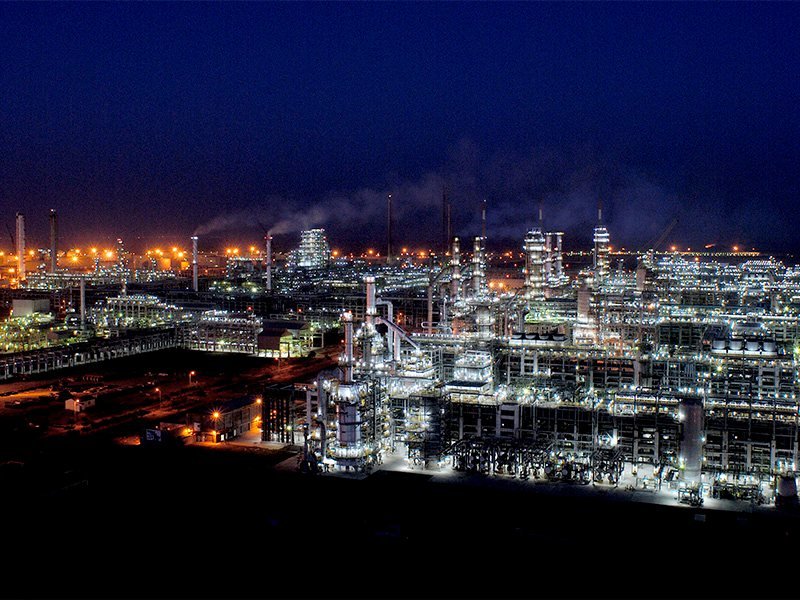
Indian refineries are built for certain crude. External Affairs Minister S. Jaishankar raised India’s concerns about the law with US Secretary of State Marco Rubio at the UN in September. He explained that most Indian refineries are set up for medium-sour crude from West Asia and Russia, while US crude is lighter and Venezuelan crude heavier. With West Asian supplies hit by the Iran war, India has relied more on Russian oil. New Delhi has said its purchases are about affordability and energy security for a large economy.
The risk can return. GTRI called the waiver “temporary breathing room”. Because it has no end date and can be lifted at any time, exporters may still factor in some uncertainty when signing long US contracts.
Rubio is due in India next week, with reported stops in Mumbai and Jamnagar, home to Reliance Industries’ giant refinery complex. Energy trade is likely to be on the table.
Will this change petrol and diesel prices in India?
Not directly. Retail fuel prices in India are set mainly by the oil marketing companies, led by the state-run ones, and depend on crude prices, taxes and the rupee. If the waiver keeps more Russian supply flowing and calms global prices, that helps India’s import bill. Currency moves also matter; read how the rupee jumped 98 paise this month after RBI steps. Oil prices also feed into inflation, which shapes decisions like the RBI’s latest repo rate move.
The bigger picture of trade being used as leverage came up in New Delhi this week as well, when PM Modi told the Bloomberg New Economy Forum that supply chains, trade and technology are increasingly being used as tools of pressure.
What to watch
- Any statement from India’s Ministry of External Affairs or commerce ministry on the waiver
- Rubio’s meetings in India next week
- Whether Congress pushes back on the waiver
- Monthly data on India’s Russian crude imports
Questions to think about
- Should energy buying decisions be driven mainly by price, or also by foreign policy?
- Can tariffs on third countries change the course of a war?
- How should Indian exporters plan when trade rules can change with one executive order?
Sources: Reuters, PTI, NBC News, Outlook, GTRI and the White House executive order of October 16, 2026, as of October 17, 2026.