
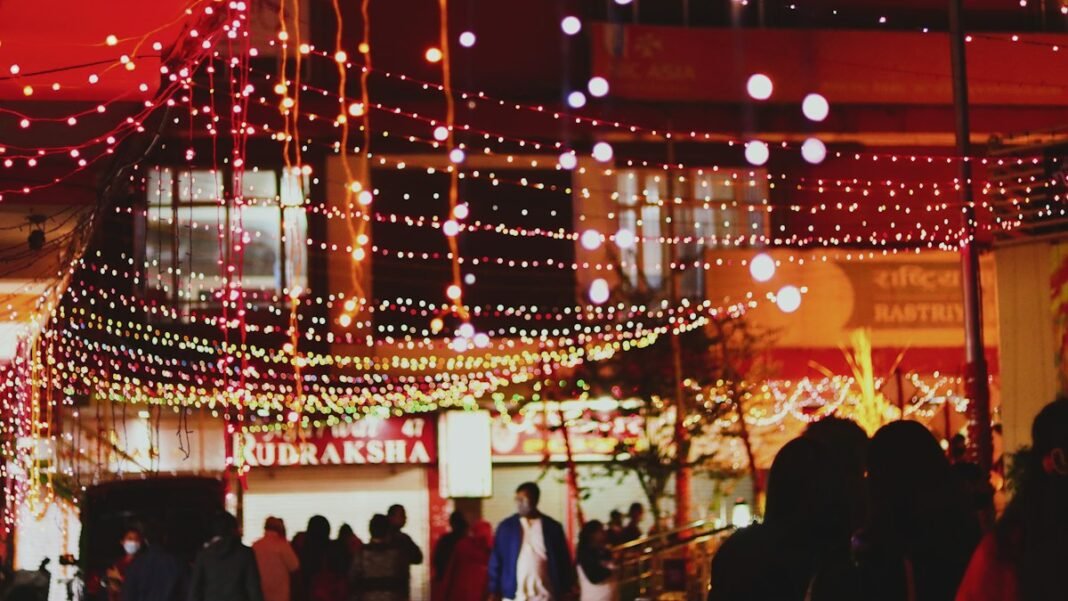
The Diwali sales have started, and so has the temptation. This year, almost everyone plans to splurge. According to Hansa Research, 95% of Indians plan to spend more than usual this festive season, and nearly half of them expect to spend 25-50% more.
There’s nothing wrong with celebrating. The trick is to enjoy Diwali on November 8 without starting the new year with a big credit card bill. Here’s a simple plan.
1. Decide one number first
Before you open any shopping app, decide how much you will spend in total. A good rule: spend only what you can pay from savings or one month’s spare income. Never borrow for festive shopping.
2. Split your Diwali shopping budget
Once you have a number, divide it. Here’s how a ₹50,000 budget could look:
| What | Amount |
|---|---|
| Gifts for family and friends | ₹12,000 |
| Clothes | ₹10,000 |
| Home decor and cleaning | ₹8,000 |
| Sweets and food | ₹7,000 |
| Travel | ₹5,000 |
| Extra for surprises | ₹5,000 |
| Bonus for house help, tips and charity | ₹3,000 |
Your categories will look different. What matters is that every rupee has a job before you start buying.
3. Make a list and stick to it
Most overspending happens on things we never planned to buy. A survey reported by GrabOn found that about 73% of festive shoppers are swayed by discounts. A 40% off sticker on something you didn’t need is still money spent.
Try the 24-hour rule: if something isn’t on your list, wait a day before buying it.
4. Check if the discount is real
Compare the price on two or three apps and at a local store. Look at the price history if the app shows it. A common trick is to raise the MRP just before a sale and then show a big discount. Also add delivery, installation and return costs to the final price.
5. Be careful with “no-cost EMI”
No-cost EMI often isn’t free. The interest is usually built into the price, or you lose a discount you would have got by paying in full. Credit cards are fine if you clear the full bill on time, but unpaid balances can cost 3-4% a month. With the RBI raising interest rates, borrowing is getting costlier, not cheaper.
6. Plan big buys separately
Gold, phones, TVs and furniture deserve their own plan. Buying gold on Dhanteras? Read our Dhanteras gold buying guide first, which breaks down the real cost of 10 grams of jewellery. Looking for gift ideas? See our list of tech gadgets that make great Diwali gifts.
7. Check your spending after Diwali
A week after the festival, compare what you planned with what you actually spent. Note what you would do differently next year, and put any money you didn’t spend into savings. Our guide to money moves that beat inflation is a good next step.
How big is festive shopping this year?
Online sales this festive season are expected to touch ₹1.50-1.55 lakh crore, up 25-29% from last year, according to Datum Intelligence. Trade bodies estimate that total festive business from Navratri to Diwali could be close to ₹7 lakh crore.
Survey data from Hansa Research, Datum Intelligence and GrabOn, as reported in 2026.