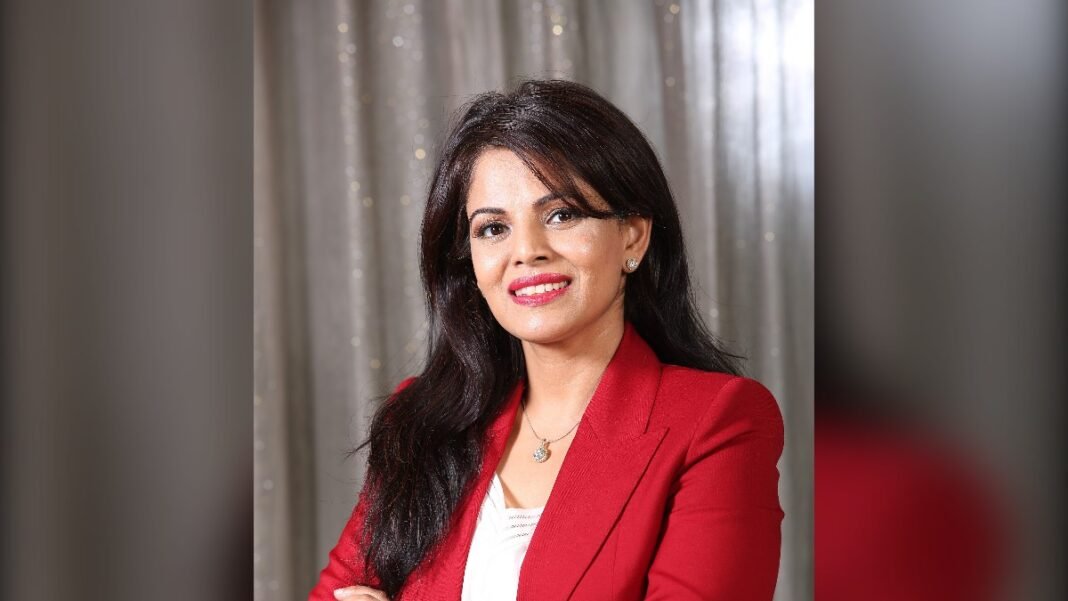
Sahara India Pariwar is the business group founded by Subrata Roy in 1978. At its peak it claimed lakhs of workers and agents, and its name was printed on the jerseys of the Indian cricket team. Its story is now being told in Scam 2010.
Beginnings in Gorakhpur
Sahara began as a small savings business in Gorakhpur, Uttar Pradesh. Its model was simple: agents collected very small amounts, sometimes a few rupees a day, from people who had no easy access to a bank. Over time this network spread across north and east India, and the group moved its headquarters to Lucknow.
The businesses at their peak
- Finance: para-banking schemes, cooperative societies and Sahara India Life Insurance.
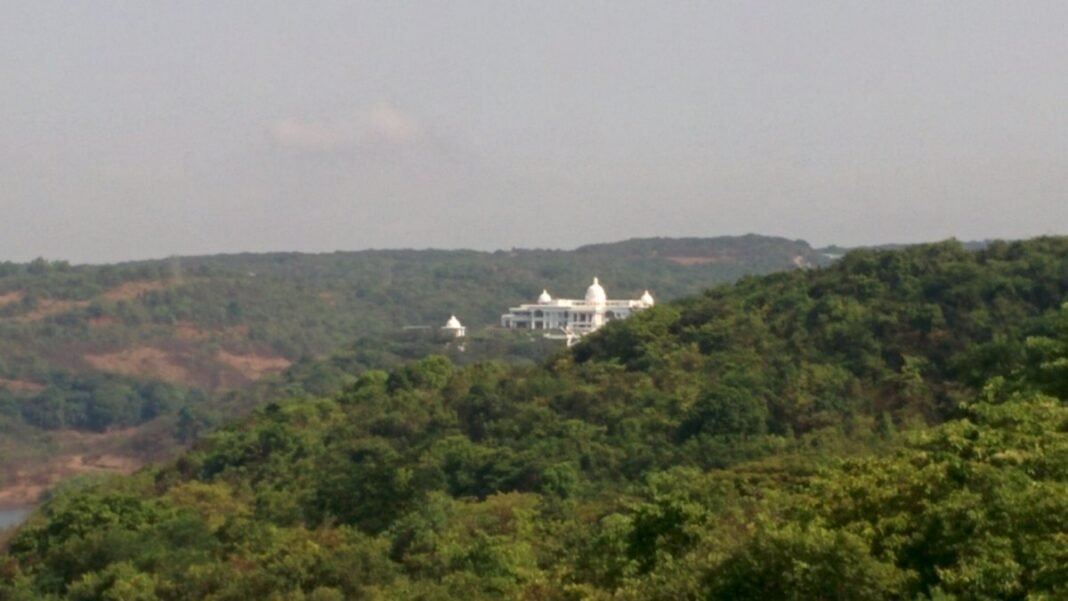
- Real estate: Aamby Valley City near Lonavala, Sahara Shahar in Lucknow and housing projects in several cities.
- Hotels: Hotel Sahara Star in Mumbai, and overseas trophy hotels Grosvenor House in London and The Plaza and Dream Downtown in New York.
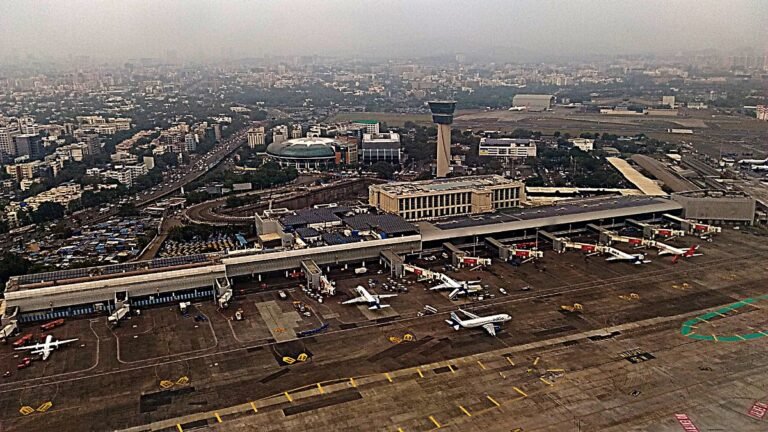
- Aviation: Air Sahara, launched in 1993 and sold to Jet Airways in 2007.
- Media: Rashtriya Sahara newspaper and Sahara One TV channels.
- Sport: Indian cricket team sponsorship for over a decade, an IPL team (Pune Warriors India) and a stake in the Force India F1 team.
- Retail and others: Sahara Q Shop, healthcare and an electric vehicle brand, Sahara Evols.
The SEBI case changes everything
From 2010, SEBI challenged how two Sahara companies had raised money from small investors through convertible debentures. In 2012 the Supreme Court ordered refunds of more than ₹24,000 crore with interest. The group had to sell assets to raise money, and many businesses shrank or shut. The Plaza was sold in 2018, and Air Sahara was already gone. Read our Sahara-SEBI case explainer for the full timeline.
Sahara today
After Subrata Roy’s death in 2023, the group’s remaining properties have been at the centre of court cases. In 2025, group companies asked the Supreme Court to approve the sale of 88 properties, including Aamby Valley and Hotel Sahara Star, to Adani Properties, as reported by Business Standard. The government asked for more time to respond, and no final order had been reported. The Enforcement Directorate has also attached some land at Aamby Valley in a separate case. Depositors of Sahara’s cooperative societies continue to claim refunds through the government’s CRCS portal.
Who owns Sahara now?
The group was controlled by Subrata Roy and his family. Its companies are largely unlisted, so detailed ownership is not easily public. Court orders now strongly shape what happens to its assets.
Questions to think about
- Was Sahara’s door-to-door savings model a form of financial inclusion, or a risk to savers?
- What should happen to the group’s remaining assets first: refunds, debts or workers’ dues?
- Could a group like Sahara grow so large under today’s rules?