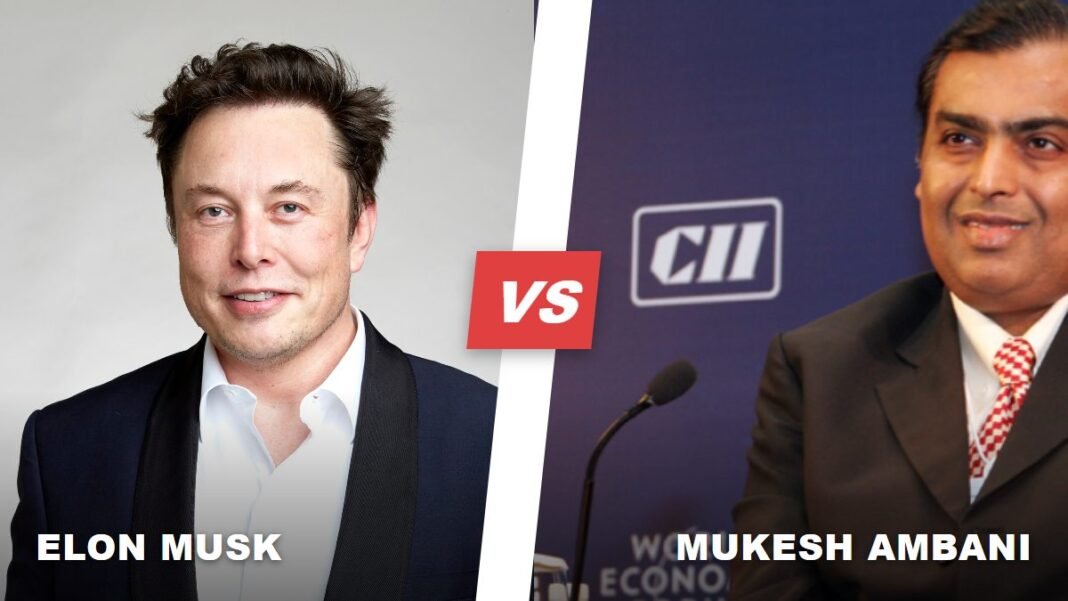
For most of this year, Elon Musk and India looked like old friends. This week, that changed. In a string of posts on X, Musk has accused people with “vested interests” of blocking his satellite internet service Starlink from launching in India, and he has now named Mukesh Ambani, the boss of Reliance Jio, directly.
The government has hit back, calling some of Musk’s claims false. Here’s what is going on, in simple terms.
What did Elon Musk say?
It started around October 7, when Musk said the delay in Starlink’s launch was “a crime against the people of India”, according to TechCrunch. Over the next few days, the posts got sharper. He asked whether Ambani was “the real boss of India”, and late on Friday he addressed him as “Prime Minister Ambani”, asking whether he would “consider allowing Starlink to compete”.
On Saturday, Musk promised that Starlink would be cheap enough for Indians. “Obviously, if Starlink is too expensive in India, no one will buy it, so SpaceX will need to make pricing affordable,” he wrote, as reported by Al Jazeera. He added that competition would give ordinary Indians more choice, and that Ambani’s profits “will be lower, but he is not going out of business.”
Reliance has not responded publicly.
What does the government say?
The Ministry of Communications has rejected the charge of bias. It says India’s rules for satellite internet are “fair and non-discriminatory”, and that all three companies waiting to launch, including Starlink and Jio’s own satellite venture, are still awaiting final security clearance. Government sources also called Musk’s claims about the licence “blatantly false”, according to The Week.
Why Starlink India is still not live
Starlink first tried to enter India back in 2022. It has since cleared some major hurdles: it got a licence from the Communications Ministry and approval from India’s space regulator. Last year, it even signed deals with both Jio and Bharti Airtel to sell its service.
But the final security clearance is still pending, and there is no launch date. Meanwhile, Starlink has gone live in neighbouring Bangladesh.
Why the timing matters
The fight comes just days before Jio Platforms, Ambani’s telecom and digital business, opens what is expected to be India’s biggest-ever IPO, at a reported valuation of about $106 billion. Cheap data is the strategy that made Jio the market leader, and Musk is now saying he will use the same playbook against it.
What it means for you
If you live in a city: not much changes yet. Mobile data in India costs about ₹7.74 per GB, among the cheapest in the world, so Starlink will find it hard to compete on price in cities.
If you live in a village or remote area: this is where Starlink could matter. Satellite internet works without phone towers or cables, which is why Musk keeps talking about children and small businesses in places with no internet at all.
The catch: Musk has not shared any Indian prices yet. Until the security clearance comes through, Starlink in India remains a promise.
The same push for rural connectivity came up at this year’s India Mobile Congress.
Questions to think about
- Will satellite internet ever be affordable for families in Indian villages?
- Is more competition in telecom always good for customers?
- How should India balance security checks with the speed of approvals for new services?
Sources: Al Jazeera (Reuters), TechCrunch, The Week and CNBC, as of October 12, 2026.