The bidding is over. India’s biggest-ever IPO, the ₹30,213 crore issue of Jio Platforms, closed on Friday, October 23, and the allotment is expected to be finalised today, Monday, October 26. If you applied, here is how to see whether you got shares, and what happens over the next two days.
Jio IPO allotment status: key dates
- Allotment finalised: Monday, October 26 (expected)
- Refunds and UPI mandates released: Tuesday, October 27
- Shares credited to demat accounts: Tuesday, October 27
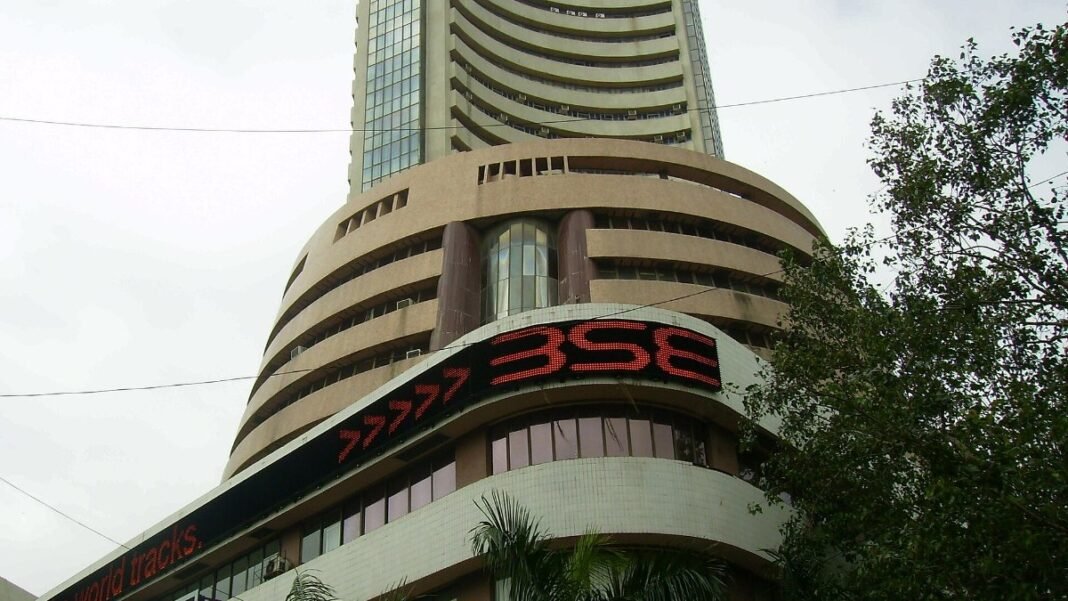
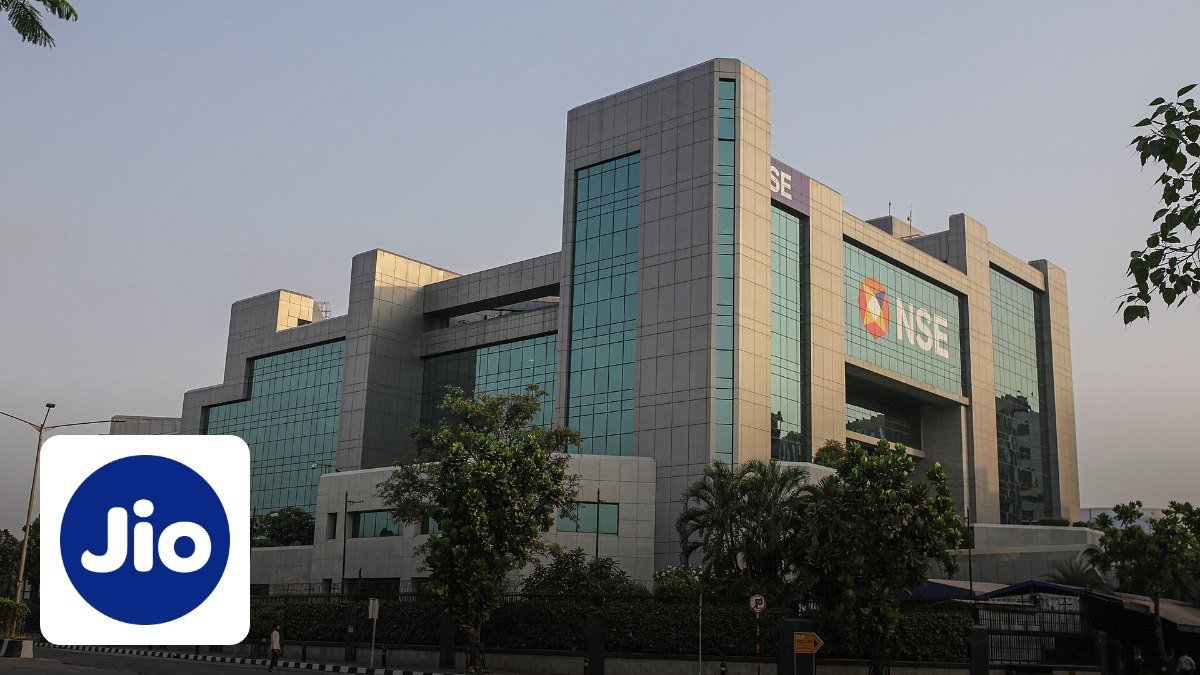
- Listing on BSE and NSE: Wednesday, October 28
- Registrar: KFin Technologies Ltd
These dates are as listed in the offer timetable and by IPO trackers such as Chittorgarh and Trendlyne. They can shift slightly; the registrar and the exchanges are the final word.
How to check Jio IPO allotment status on KFin Technologies
- Open the KFin Technologies IPO status page (ipostatus.kfintech.com).
- Select Jio Platforms Limited from the company list. It appears once the basis of allotment is finalised.
- Choose one option: application number, demat account (DP ID and client ID), or PAN.
- Enter the details and the captcha, then submit.
- The page shows the number of shares applied for and allotted.
How to check on BSE and NSE
- BSE: On the BSE “Status of Issue Application” page, choose issue type Equity, pick Jio Platforms from the list, and enter your application number or PAN.
- NSE: NSE’s IPO bid verification page lets you check with your PAN and application number after signing in with a mobile number.
- Broker app: Most brokers update the IPO section of their app by the evening of allotment day. Your UPI app will also show whether the blocked amount was debited or released.
Why many retail investors may not get shares
Demand was heavy. Reports based on exchange data put the overall subscription at about 21 to 22 times by the close, with qualified institutional buyers (QIBs) bidding around 67 to 70 times their quota. One tracker put the retail portion at about 2.7 times. Final category-wise figures should be checked on the BSE or NSE website, as early numbers differed between sources.
When the retail portion is oversubscribed, SEBI’s rules say each retail applicant gets at most one lot (12 shares here) and lots are allotted by lottery. Applying for more lots, or at a higher price within the band, does not improve your chances in the retail category. Many people will see “0 shares allotted”, and that is down to the draw, not an error in their application.
Before the issue opened, Jio Platforms raised about ₹8,110 crore from 212 anchor investors, with names such as BlackRock, Capital Group and Fidelity reported among them. Our Jio IPO explainer covers the price band and issue details.
What if you don’t get an allotment?
If you applied through UPI, the blocked amount (₹13,428 for one lot at the upper price) is released by your bank, usually by October 27. If you used ASBA through net banking, the hold on your account is lifted. If the money is still blocked a few days after listing, contact your bank first and then the registrar.
Grey market premium: read it with care
Earlier in the week, IPO trackers reported a grey market premium (GMP) of roughly ₹243 to ₹276 a share. GMP is unofficial and unregulated, it changes every day, and it often moves sharply around listing. The actual listing price is set by the pre-open auction on October 28.
Quick answers
When is the Jio IPO allotment date? October 26, 2026 (expected).
Who is the registrar of the Jio IPO? KFin Technologies Ltd.
When is the Jio IPO listing date? October 28, 2026 on BSE and NSE.
How many shares do I get if allotted? In the retail category, one lot of 12 shares in an oversubscribed issue.
When will I get my refund? UPI blocks are usually released by October 27.
Questions to think about
- Should very large IPOs keep a bigger share for retail investors, given how many small investors apply and miss out?
- Does the grey market premium help investors, or does it mostly add noise to a regulated process?
- If Jio lists well, will it pull more large private companies towards Indian stock exchanges instead of private funding?
Sources: Offer timetable as published by Chittorgarh, Trendlyne and IPO Watch; subscription data as reported by HDFC Sky and IPOji from BSE/NSE; anchor book details from Outlook Money. This is not investment advice.