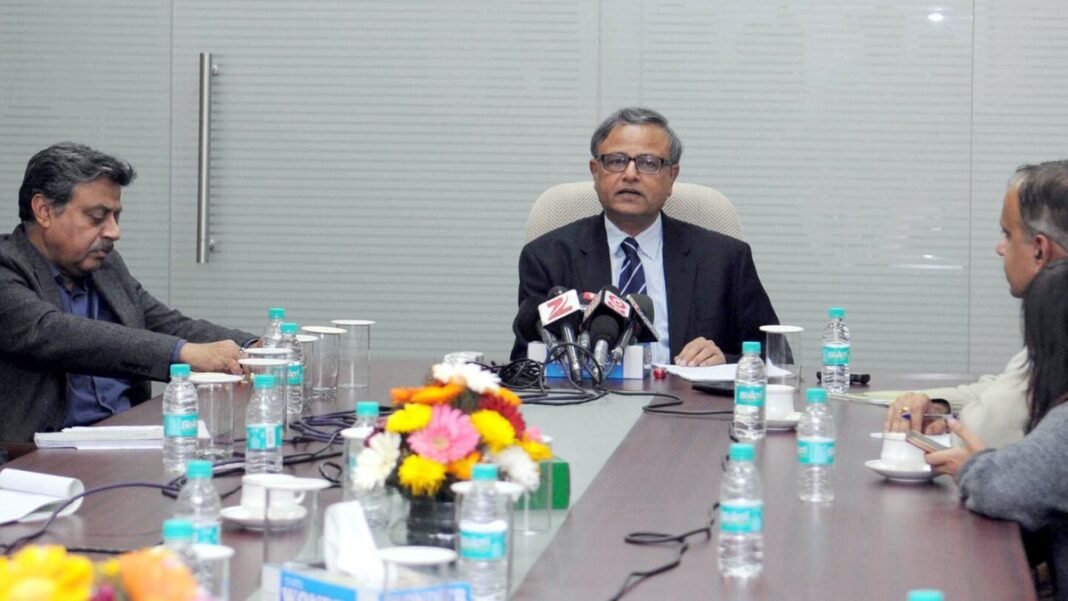
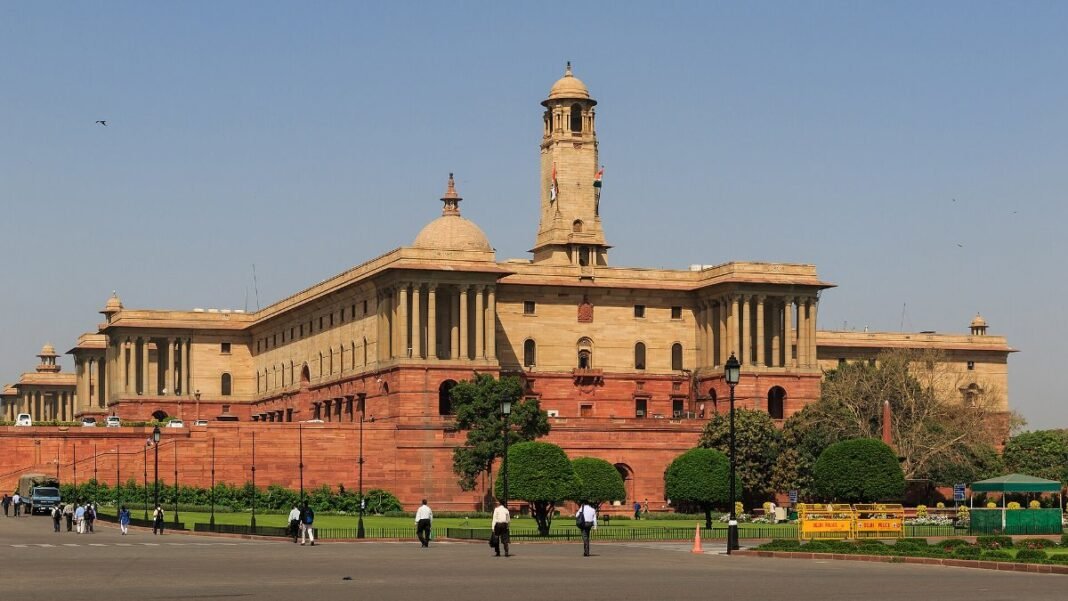
Every year around Diwali, central government employees and pensioners start refreshing the news for one line: has the DA hike been announced? This year the wait has run longer than usual. Two Union Cabinet meetings in October, on the 14th and the 21st, came and went without a decision on the July 2026 instalment of dearness allowance. The next meeting, reportedly on October 28, is now where all eyes are.
Here is what is actually on record, what is only expected, and what a 2% or 3% increase would mean in rupees.
Where DA stands right now
Dearness allowance for central government employees, and dearness relief (DR) for pensioners, is currently 60% of basic pay or basic pension. That rate came from a 2% increase approved by the Cabinet on April 18, 2026, which took DA from 58% to 60% with effect from January 1, 2026.
That decision covered about 50.46 lakh employees and 68.27 lakh pensioners, roughly 1.18 crore people in all, and was estimated to cost the government about ₹6,791 crore a year.
DA is revised twice a year, for January and for July. The July revision is normally announced between September and November and paid with arrears from July 1. So the money for July, August, September and October is not lost if the announcement is late; it is paid as arrears once approved.
Why the July 2026 hike has not come yet
There is no official explanation for the timing. Ahead of the October 21 Cabinet meeting, several reports had suggested a 3% increase would be cleared that day. It was not. Employee groups had also complained earlier in the year that the January revision came only in April, later than the usual March window.
Two points are worth keeping in mind before reading too much into any single headline:
- The government has not said that DA is on the agenda for October 28. That date is based on media reports about the Cabinet calendar.
- A DA revision does not strictly need a Cabinet meeting. The Finance Ministry can notify it once approved, so an announcement could come on another day as well.
How much could DA go up?
The size of the hike is worked out from the All-India Consumer Price Index for Industrial Workers (AICPI-IW), averaged over 12 months, using the 7th Pay Commission formula. Based on that data, most estimates in the media range between 2% and 3%, which would take DA to 62% or 63%. Neither figure is official until the government announces it.
DA hike salary calculation: what 2% or 3% means
DA is calculated on basic pay only, not on allowances like HRA. Here is a simple monthly calculation at a few common basic pay levels:
- Basic pay ₹18,000 (entry level): DA at 60% is ₹10,800. A 2% hike adds ₹360 a month; a 3% hike adds ₹540 a month.
- Basic pay ₹35,400: a 2% hike adds ₹708 a month; 3% adds ₹1,062.
- Basic pay ₹56,100: a 2% hike adds ₹1,122 a month; 3% adds ₹1,683.
Arrears work the same way. If a 3% hike is approved in November with effect from July 1, someone on a basic of ₹18,000 would get about ₹540 × 4 = ₹2,160 for July to October, plus the higher DA going forward. Pensioners get the same percentage on their basic pension as dearness relief.
What about the 8th Pay Commission?
The 8th Pay Commission was set up in November 2025 and is expected to submit its report by around May 2027. Until its recommendations are accepted and implemented, DA continues to be revised twice a year under the current system. When a new pay commission is implemented, the accumulated DA is usually merged into the new basic pay, which is why the DA rate at that point matters. We covered the fitment factor discussion in more detail in our 8th Pay Commission latest update.
Quick answers
What is the current DA rate for central government employees? 60% of basic pay, effective January 1, 2026.
When will the July 2026 DA hike be announced? There is no official date. Reports point to the Union Cabinet meeting expected on October 28, but this has not been confirmed.
Will DA arrears be paid from July? In past years, the July revision has been paid with arrears from July 1. The final order will confirm this.
Is the DA hike 3% or 2%? Media estimates range between 2% and 3%. Only the government notification will settle it.
Do pensioners get the same increase? Yes, pensioners get dearness relief (DR) at the same rate as DA.
Questions to think about
- Should DA revisions follow a fixed announcement date every year, so employees and pensioners are not left guessing?
- With prices of food and rent varying widely between cities, is a single national DA rate still fair?
- Should DA be merged into basic pay before the 8th Pay Commission is implemented, as some unions have asked?
Sources: Cabinet decision of April 18, 2026 as reported by Outlook Money, Outlook Business and others; reports on the October 14, 21 and 28 Cabinet meetings by Outlook Money and Office Newz. Salary figures are our own calculations. Check the Department of Expenditure’s official order once issued.