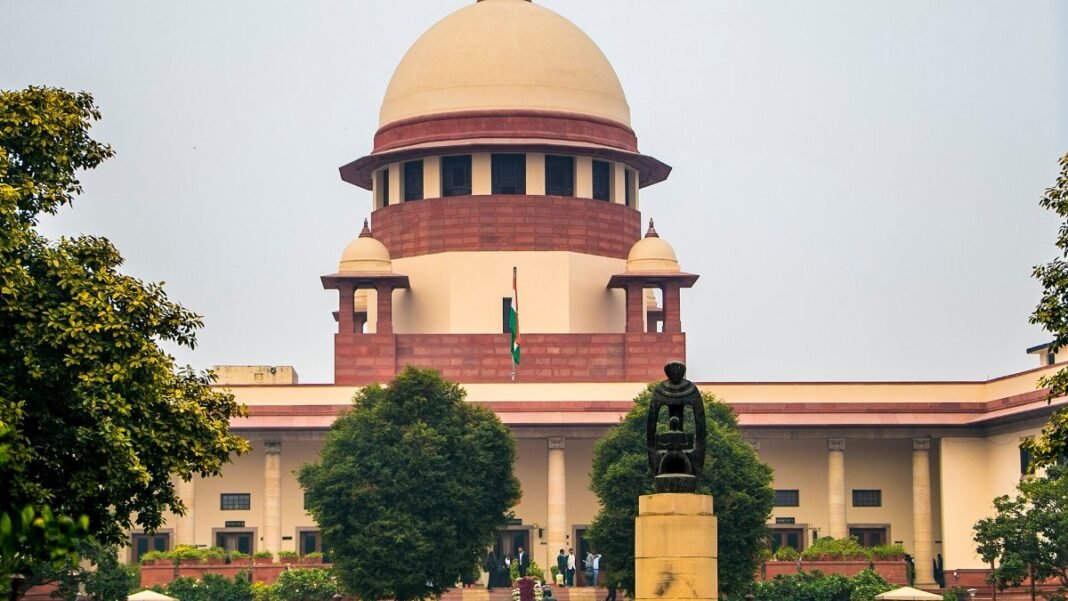
The Supreme Court has held that using the internet is a fundamental right of every person in India, and that children have this right too. In an order dated October 15 and made public on October 17, a bench of Justices J.B. Pardiwala and K. Vinod Chandran rejected the idea of blanket, age-based bans on children going online.
The court did not stop there. It gave the Centre and social media companies a long list of things to do about child sexual exploitation and abuse material (CSEAM), from a national database of known abuse images to two-step reporting buttons and digital safety lessons in school.
“The safety of our children and their freedom are not at odds with each other. Our children are entitled to both,” the bench said, as reported by Bar and Bench.
Key facts
- Case: Just Rights for Children Alliance & Anr. v. S. Harish & Ors.
- Bench: Justices J.B. Pardiwala and K. Vinod Chandran
- Order date: October 15, 2026 (reported on October 17)
- Constitutional basis: Article 21 (life and personal liberty) read with Article 19(1)(a) (freedom of speech and expression)
- Next hearing: December 10, when the Centre has to file a progress affidavit
What the court actually said about children and the internet
The bench said the right to access and use the internet flows from the freedom of speech, which includes the right to receive and share information, and from the right to life. Age does not take that right away. The court compared denying it to children with saying that children below a certain age have no freedom of speech worth protecting.
The judges gave practical reasons, too. For many children in remote areas, the internet is often the only source of learning and information. Children with special needs may find company online with others in a similar situation. And keeping children offline because platforms failed to remove harmful content would, in the court’s words, “mistake the victim for the problem”.
The bench also pointed to a risk with bans. A child who is threatened or lured online may not tell a parent or teacher if they fear being punished for breaking an internet rule. Blanket limits could also push young users towards less regulated websites. The court said no country has shown that such limits make children safer.
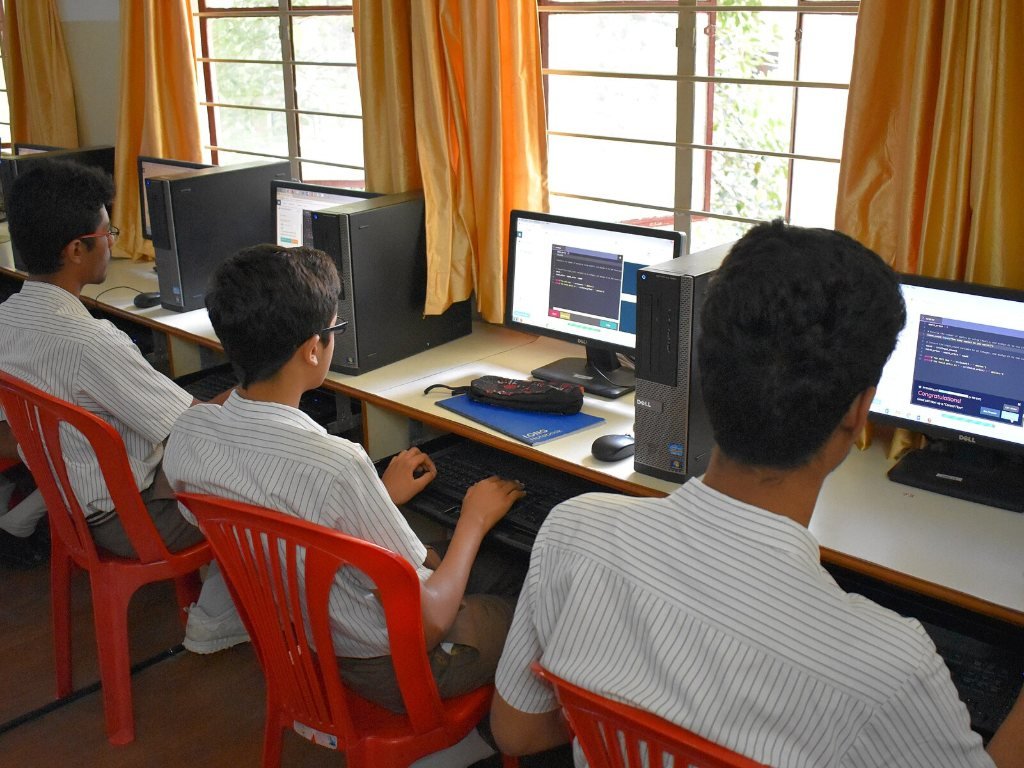
So are all limits on children now off the table?
No. The court drew a line between a blanket ban and sensible safeguards. Reports of the order say the Centre may still:
- restrict children’s access to services that are harmful by nature, such as adult websites
- require parental consent and supervision tools
- push for a dedicated child mode and private-by-default accounts for young users
- limit messages from unknown adults to children
- put tighter controls on the ads and content shown to children
The details are left to the government. India’s data protection law, the Digital Personal Data Protection Act, already requires verifiable parental consent before a company processes the personal data of anyone under 18.
Why the case was in court
The case goes back to a petition by the NGO Just Rights for Children Alliance. In September 2024, the Supreme Court ruled in the same matter that downloading, storing or watching child sexual abuse material is an offence under the POCSO Act and the IT Act, and asked that the term “child pornography” be replaced with CSEAM.
The NGO returned to court saying platforms were still failing to act. Reports placed before the bench described paid promotion of abuse material through redirect links and websites on social media. The court said it saw “no progress worth the name” in the two years since its 2024 ruling.
The order also came at a time when age limits are being discussed widely. About two weeks before the order, the Centre told the court it planned to revise the IT intermediary rules to limit access for under-18s, according to Outlook. Andhra Pradesh minister Nara Lokesh has said his state is considering a social media ban for children under 16. Australia’s ban on social media accounts for under-16s took effect in December 2025.
What the court has asked the Centre and platforms to do
- A national database: the Centre must set up a National Hash and URL List Database of confirmed abuse material. A “hash” is a digital fingerprint of a file, so the same image can be spotted on any platform without anyone looking at it again.
- Only for CSEAM: the database must not be used to find or remove any other kind of content.
- Human checks first: material must pass several levels of checks, with a final review by at least three trained human analysts, before it goes into the database. Nothing should be added on the basis of a single complaint.
- Fast removal: once material is in the database, platforms must remove matching content at once, without doing their own checks again.
- A way to appeal: there must be a grievance system for people who say their content was wrongly matched or flagged.
- Easier reporting: platforms must show grievance officer details clearly and let users report a problem in no more than two steps. Trained officers, not just software, must take the final call.
- Fines and paywalls: the Centre should consider heavy fines linked to how serious and repeated a failure is and how big the company is. Money earned from abuse material behind paywalls should be taken away.
- Schools and families: NCERT and state SCERTs should build digital safety and age-appropriate sex education into the core curriculum, with teacher training, parent awareness drives, and free counselling for victims.
What it means for parents and schools
For now, nothing changes overnight in your home. The order does not stop parents from setting screen-time rules or using parental controls. What it does is shape what the government can and cannot do through law. A national rule that simply bans children from the internet would now face a tough test in court. Rules that protect children while keeping them online, such as child accounts, safer default settings and better reporting, fit within what the court has described.
If your child sees something disturbing online, the simplest steps still apply. Keep calm, do not delete the evidence on your own, report it on the platform, and file a complaint on the national cybercrime portal, cybercrime.gov.in, or call the helpline 1930.
How this fits with earlier rulings
Indian courts have moved in this direction before. In 2019, the Kerala High Court, in the Faheema Shirin case, held that a college student’s access to the internet was part of her rights to education and privacy. In January 2020, the Supreme Court said in Anuradha Bhasin v. Union of India, a case about the internet shutdown in Jammu and Kashmir, that free speech and the right to do business over the internet are protected by the Constitution, and that shutdowns must be necessary and limited in time.
This order goes a step further by stating plainly that access to and use of the internet is itself a fundamental right, and that children share it. It also comes in a month when internet curbs were back in the news in Delhi, where mobile internet was suspended around a protest site on October 10.
What happens next
The Centre, represented by Solicitor General Tushar Mehta, has to take steps on these directions and file a progress affidavit before the next hearing on December 10. Platforms will be watching closely, since the hash-matching and two-step reporting rules would change how they handle complaints in India.
Questions to think about
- Should keeping children safe online be mainly the job of parents, schools, platforms or the government?
- Would a “child mode” on social media apps work better than an age limit?
- How can a national database of abuse material be kept from being misused for other content?
Sources: Supreme Court order of October 15, 2026, as reported by Bar and Bench, LiveLaw, The Federal, Business Today and Outlook, as of October 17, 2026.