
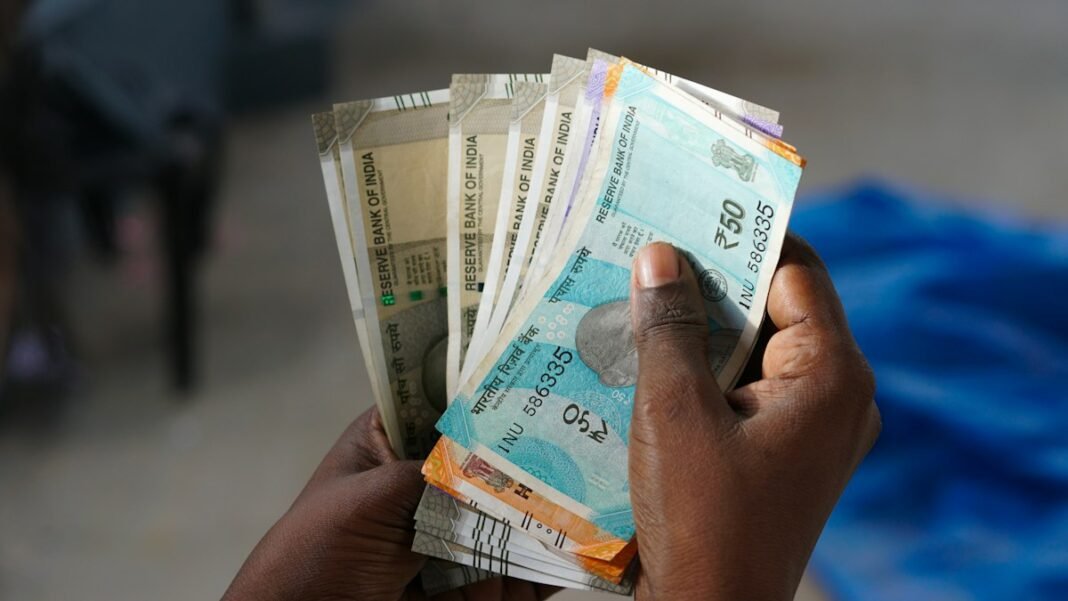
Loans are about to get a little costlier. The Reserve Bank of India (RBI) on October 7 raised its key lending rate, the repo rate, by 0.25 percentage points to 5.50%. It is the RBI’s first rate hike since February 2023.
The six-member Monetary Policy Committee, led by Governor Sanjay Malhotra, voted unanimously for the increase. It also changed its stance from “neutral” to “calibrated tightening”, which means rate cuts are off the table for now and another hike is possible.
Why did the RBI raise rates now?
Prices are rising faster. Retail inflation climbed to 4.8% in August, from 4.5% in July, mostly because food and fuel got costlier. The RBI said these price pressures are now spreading to other items too.
It also listed a long set of worries: tensions around the world, crude oil prices swinging sharply, a weak monsoon, El Niño weather, and tighter money conditions globally. Raising rates is the RBI’s main tool to keep inflation in check.
RBI repo rate hike: what changed
- Repo rate: 5.50%, up from 5.25%
- Standing deposit facility (SDF) rate: 5.25%
- Marginal standing facility (MSF) rate and Bank Rate: 5.75%
- Stance: from neutral to calibrated tightening
What it means for you
If you have a home or car loan: floating-rate loans linked to the repo rate will get costlier. Your bank will either raise your EMI or stretch your loan tenure. On a ₹50 lakh, 20-year home loan, a 0.25% rise works out to roughly ₹800 more a month. We have done the full maths in our story on how much your home loan EMI will go up.
If you have fixed deposits: this is good news. Banks usually raise FD rates over the following weeks when the RBI tightens, though each bank decides on its own.
If you have a fixed-rate loan: nothing changes until the fixed period ends.
Growth is still strong
The RBI is not worried about the economy slowing down sharply. It actually raised its growth forecast for 2026-27 to 7.1%. But it expects inflation to average 5.2% this year and to touch about 6% in the October-December quarter, above its comfort level.
For stock market investors, rate-sensitive sectors such as banks, real estate and autos will be watched closely. Markets swung sharply in the days after the policy; read our report on Friday’s 879-point Sensex rally.
What next?
The minutes of this meeting will be released on October 21, and the next policy meeting is on December 2-4. If inflation keeps rising, another hike in December cannot be ruled out.
Sources: RBI Monetary Policy Statement of October 7, 2026, as reported by SCC Online and CAclubindia.