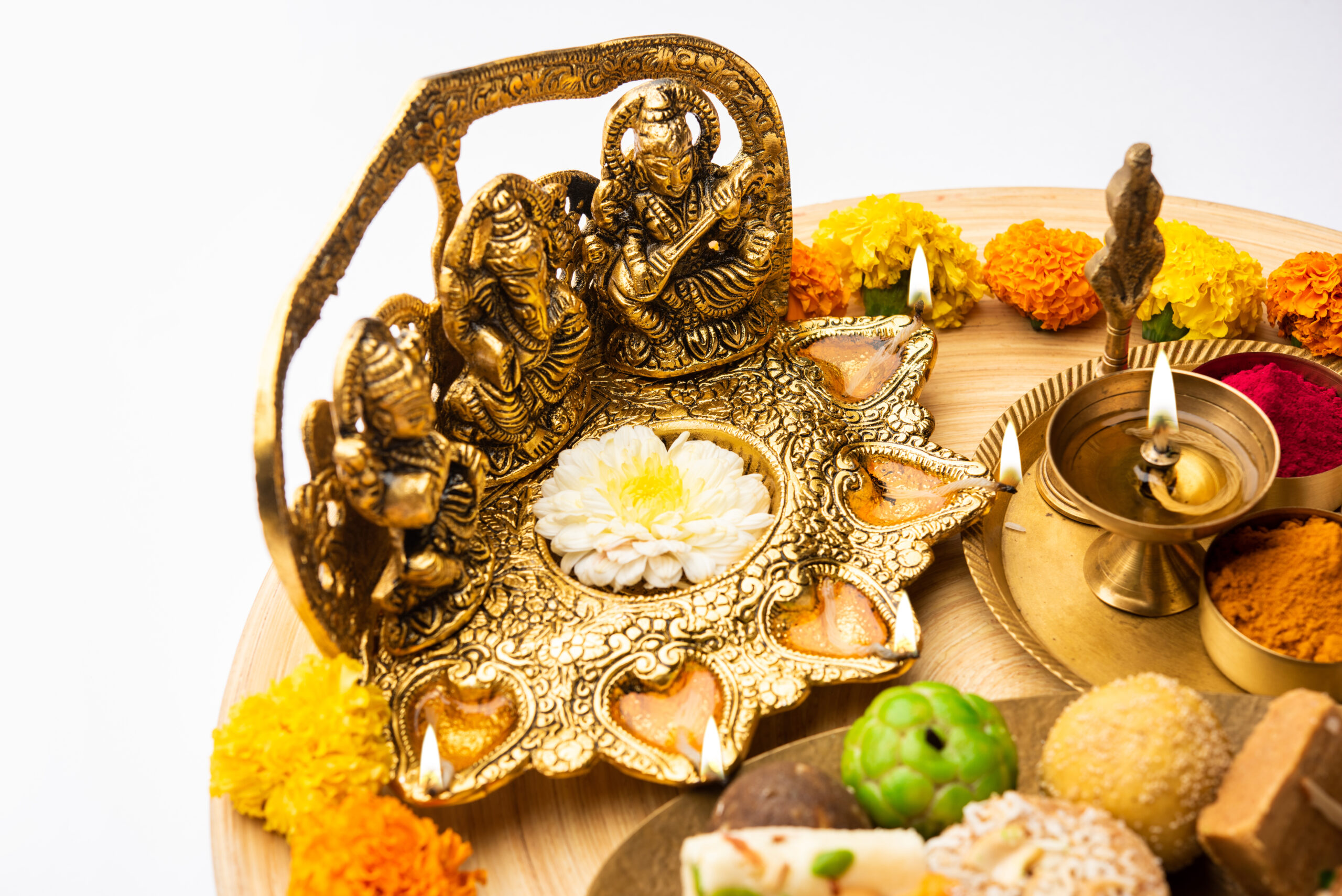

Once a year, on Diwali, India’s stock exchanges open for a special one-hour session called Muhurat Trading. Many investors treat it as a symbolic start to the new financial year in the Hindu calendar. This guide explains what it is, where it comes from, when it takes place in 2026 and what beginners should keep in mind. It was first written in 2024 and has been rewritten in October 2026. It does not recommend any share to buy or sell.
The short version
- What it is: a short special trading session on Diwali evening or afternoon, held by NSE and BSE.
- 2026 date: Sunday, 8 November 2026 (Diwali, Lakshmi Puja). NSE has said it will hold the session, but the exact time has not been announced as of early October 2026. Wait for the official exchange circular.
- Length: one hour for normal trading.
- Why people join: tradition, a feeling of a good start, and a small symbolic purchase.
What is Muhurat Trading?
“Muhurat” means an auspicious time. In many business families, Diwali is also the start of a new accounting year called Samvat. In 2026 it begins the year known as Samvat 2083. Traditionally, traders would worship their account books (Chopda Pujan) and then make a first small trade, hoping for a prosperous year. The stock exchanges turned that custom into an official session.
A short history
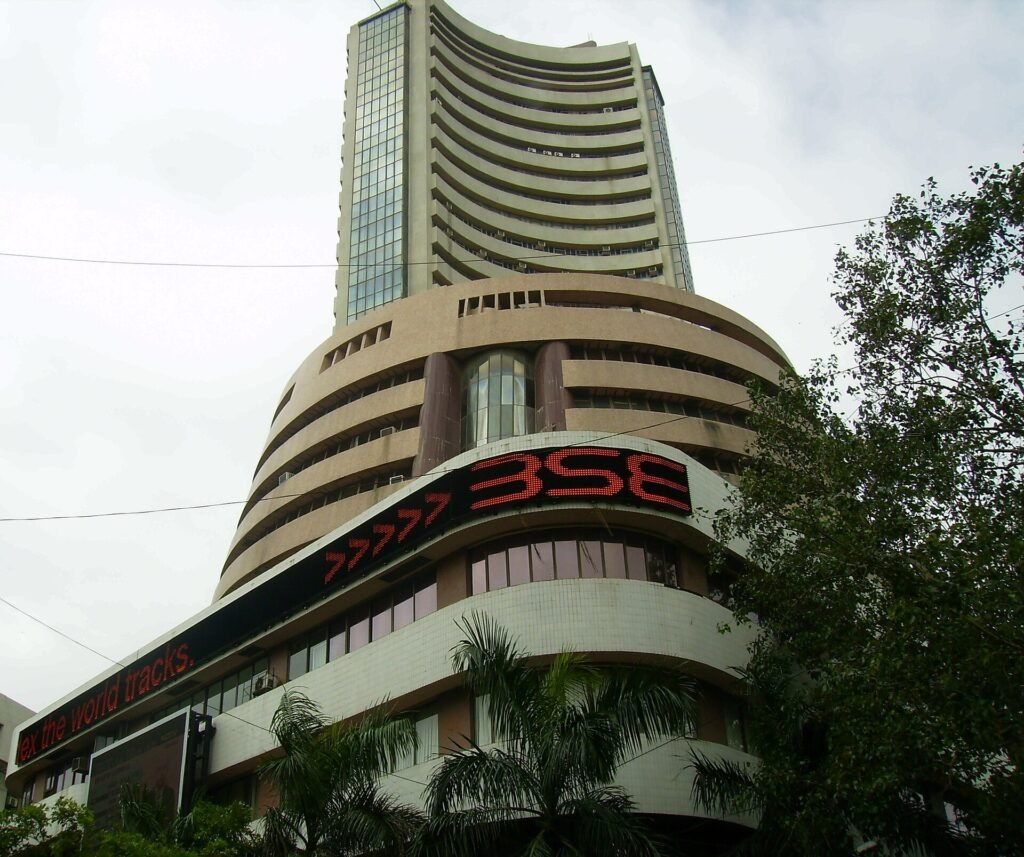
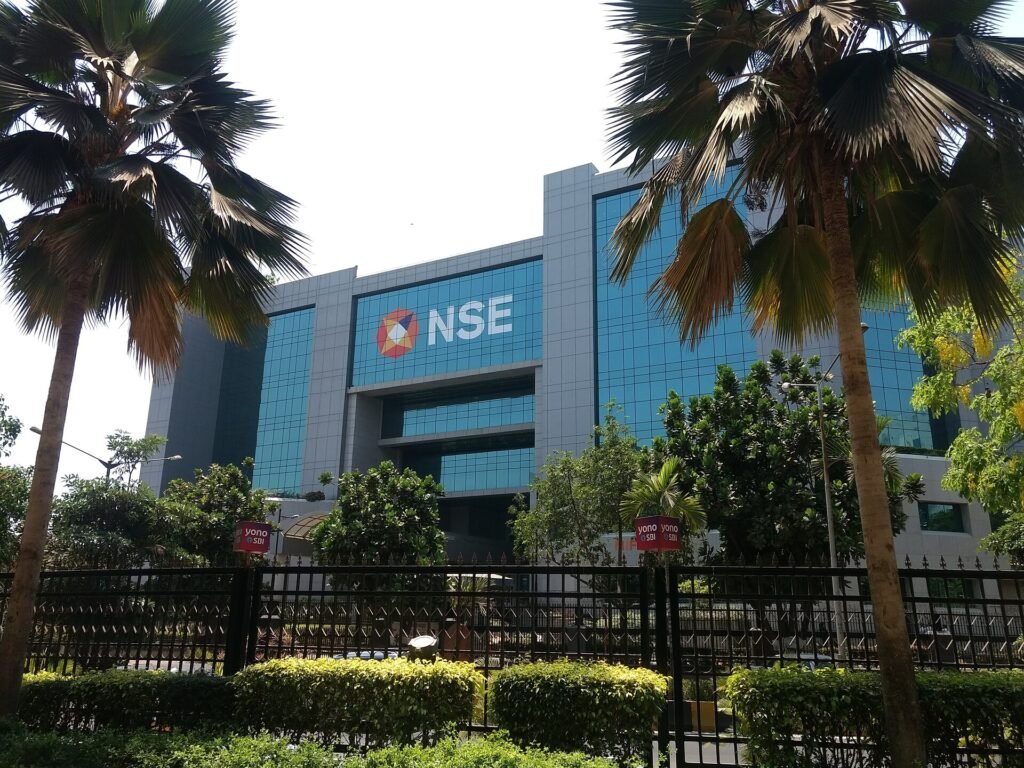
The Bombay Stock Exchange (BSE) is reported to have started the Diwali session in 1957, and the National Stock Exchange (NSE) began its own in 1992. Earlier, traders gathered on the exchange floor and began trading after a puja. Today it is almost all electronic, and brokers and investors take part from their phones and computers.
When is it in 2026?
Diwali falls on Sunday, 8 November 2026. Exchanges are normally closed on Sundays, but the Diwali session is a special exception. In 2023, it was also held on a Sunday (12 November). The timing changes every year: in 2024 the session ran from 6:00 pm to 7:00 pm on 1 November, while other years have used different slots. So do not rely on websites that list a time before the exchanges publish a circular. Check the NSE and BSE websites, or your broker’s app, a few days before. The exchanges also have a holiday around Balipratipada after Diwali, and sources differ on whether that falls on 9 or 10 November, so look at the official holiday list.
How the session works
- It has the same basic rules as a normal day: you place buy or sell orders through your broker, and trades follow normal settlement.
- Equity shares, and in many years futures and options, commodities and currency, can be traded in the window.
- Usual costs such as brokerage, taxes and exchange fees still apply, though some brokers waive part of their fee that day. Ask your broker.
- There can be a separate pre-open and closing process before and after the main hour, which is also announced in the circular.
What past sessions looked like
Muhurat sessions are short and trading volumes are usually lower than on a normal day. In 2024, one report said the Sensex ended up by about 335 points. Over the years, the day has often ended slightly positive, but this is not a rule and it says very little about how the next year will go. Treat it as a mood-setter, not a forecast.
Smart habits for beginners
- Do not chase tips. Messages claiming “best stocks for Muhurat” are often sales pitches. Make your own decision from a company’s results and your own plan.
- Keep the amount small. A symbolic purchase is fine. Never use money that you may need in the next few years.
- Think long term. A share bought on Diwali is not luckier than one bought on another day. What matters is the business and the price you pay.
- Expect quick price swings. With few traders, prices can jump around. Use limit orders instead of market orders to control the price you pay.
- Know the tax. Profits from selling shares are taxable. If you sell within a year, short-term gains rules apply. Check with a tax adviser.
- Check the circular. The official timings, any order limits and settlement details are published by the exchanges.
Is it worth it?
For some people, buying one share on Diwali is a lovely family tradition to start the year. For others, it is a distraction. Neither is wrong. Just keep your regular investing plan, such as monthly SIPs in mutual funds, separate from the festive session. For an idea of how markets have been moving lately, see our Sensex and Nifty update.
Questions to think about
- Does it make sense to buy shares on one special day, or is steady monthly investing a better habit?
- Should exchanges keep special sessions linked to festivals, or run the market like any other day?
- If you have a Diwali tradition in your family, how do you make sure it stays about celebration and not about risky bets?
Related reading
- Sensex jumps 879 points, Nifty ends above 22,500: why markets bounced back
- Dhanteras 2026: date, shubh muhurat and smart tips to buy gold
- Diwali shopping 2026: how to set a festive budget
- Startup basics: a plain-English glossary
Sources
- Aditya Birla Capital: what is Muhurat Trading
- Kotak Securities: history of Muhurat Trading in India
- NSE India (official circulars)
- BSE India (official circulars)
This article is for education only and is not investment, tax or legal advice. Investing in shares carries risk, including loss of money. Session timings are decided by the exchanges.