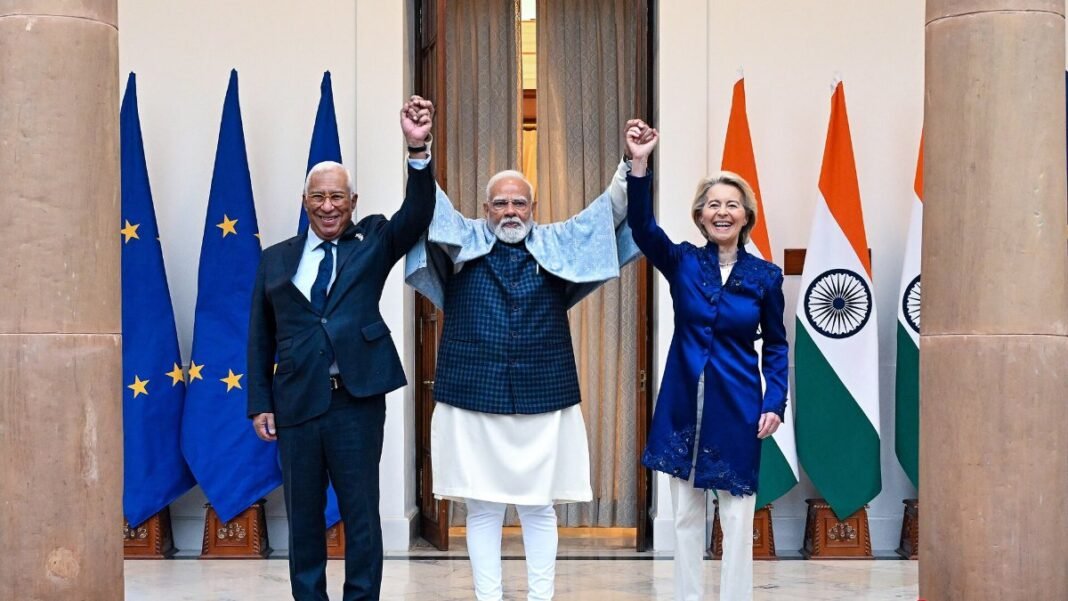
The Bloomberg New Economy Forum held its first edition in India this week. More than 500 leaders from governments, companies and investment firms met in New Delhi from October 13 to 15, and Prime Minister Narendra Modi opened the forum on Tuesday with a speech that pitched India as a steady partner in an uncertain world.
“Moving beyond power to control, we need power to enable,” Modi said, as reported by ETV Bharat. Here is what was said, who was on the programme, and what it may mean for Indian businesses.
Key facts
- Event: Bloomberg New Economy Forum, eighth edition, and the first held in India
- Dates: October 13 to 15, 2026, in New Delhi
- Theme: “A World in Play: Defining the New Levers of Power”
- Format: invitation-only, with more than 500 attendees and over 50 listed speakers, including six senior Indian ministers
- Advisory co-chairs: former US Commerce Secretary Gina Raimondo and former Italian Prime Minister Mario Draghi
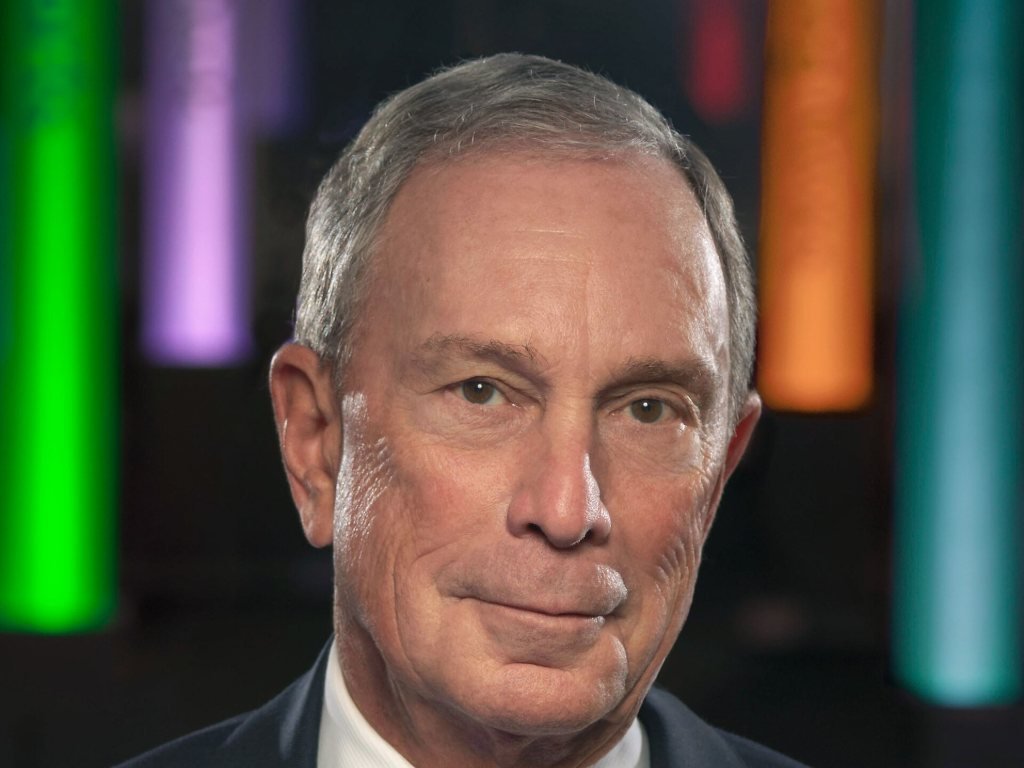
- Organiser: Bloomberg Media; the forum was started by Michael R. Bloomberg, and Tata Sons was listed as a founding partner of this edition
What Modi said
Modi built his speech around one idea that he called “power to empower”. In his view, the real value of power today lies in helping others grow, not in controlling them. He described it as a shift from control to enablement, from competition to collaboration, and from individual success to shared success.
On the economy, Modi pointed to India’s GDP growth of 7.8% in the first quarter of FY27 (April to June 2026). He said India’s growth was “taking place on a strong foundation amidst global uncertainty”, according to reports of the speech.
He also spoke about trust. Modi called India “a trusted partner in shaping the global future” and said the country wants to be “one of the most reliable growth engines of the world”. The PMO’s summary of the speech quotes him as saying, “We do not grow at anyone’s cost; we grow with the world and for the world.”
Bloomberg reported that Modi said supply chains, trade and technology are increasingly being used as tools of pressure between countries, and that India stands apart from that approach. He did not name any country.
Technology was the other big theme. Modi said technology, data, knowledge and innovation have become sources of power, and that the gains from new technology should reach a wide section of people rather than stay with a few.
Who else was on the programme
The forum’s published programme listed several sessions over the three days. Among them:
- “The End of Predictability”: an opening-day plenary with Tata Sons chairman N. Chandrasekaran, Blackstone president Jonathan Gray and former UK Prime Minister Rishi Sunak
- “Technological Sovereignty: Building Independence Without Buying Dependence”: a panel listed with Union IT Minister Ashwini Vaishnaw and Cisco chief Chuck Robbins
- A closing conversation with Mario Draghi
The programme was marked as a draft before the event, so the final line-up may have differed in places. We could not find full reports of what was said in each session at the time of writing.
Why this forum matters for Indian business
Forums like this one rarely end with a single big deal. Their value is in who meets whom, and in the themes that leaders keep returning to. This year, three themes stood out in the programme: trade and supply chains, control over technology, and the role of artificial intelligence.
All three already touch Indian companies directly. India has been building chip and AI capacity, which we covered in our report on the India AI and semiconductor push. Satellite internet is another area where policy and business meet, as seen in the Starlink and Reliance Jio debate. And the rupee’s swings this month showed how global money flows hit home quickly; read about the rupee’s 98-paise jump.
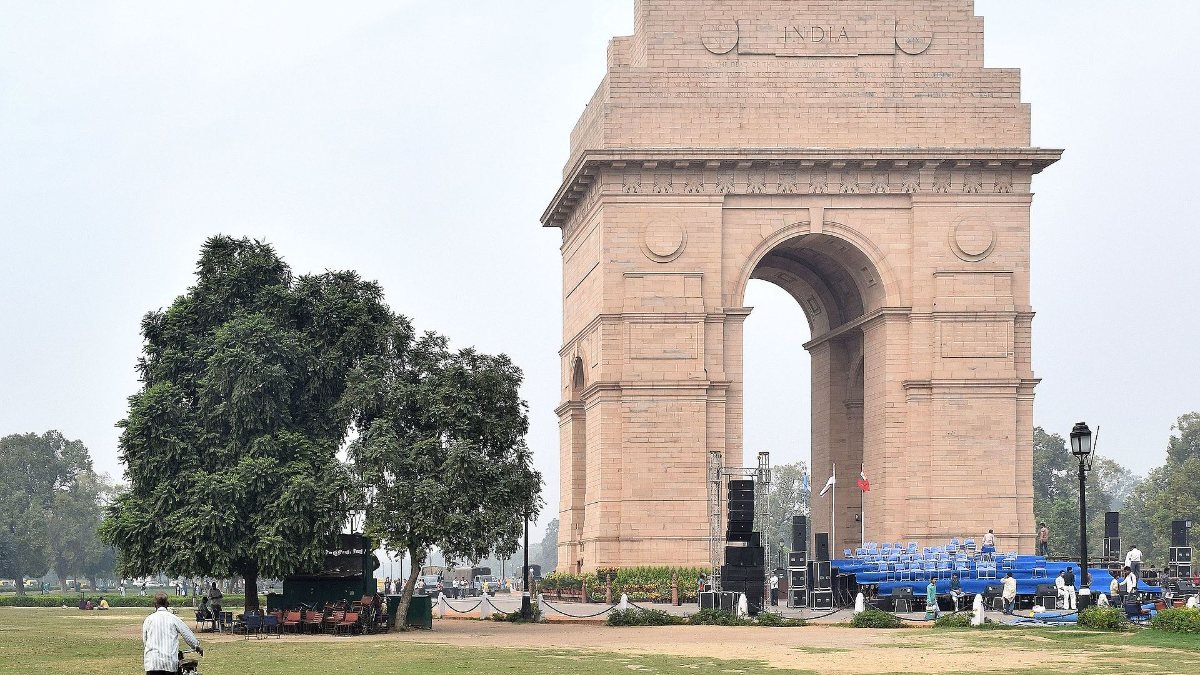
Hosting the forum also puts India’s capital on a list of past venues that includes Singapore and Beijing. For the government, that is a chance to pitch India to foreign investors at a time when many are rethinking where to build factories and data centres.
What to watch next
Any business announcements linked to the forum would usually come from the companies or ministries themselves in the coming weeks. Bloomberg has posted videos of some sessions, including Modi’s speech, and its forum website is the best place to check what individual speakers said.
Questions to think about
- Can global forums like this lead to real investment, or are they mainly about image?
- What would “power to empower” look like in practice for trade and technology deals?
- Should India focus more on building its own technology or on partnerships with other countries?
Sources: Prime Minister’s Office, ETV Bharat, Bloomberg and the Bloomberg New Economy Forum’s published programme, as of October 17, 2026.